Quick answers
- How do I know if my new tree is established?
- An established tree shows new root growth and the ability to go a week without watering in summer without wilting. This typically takes 1-3 years.
- When should I stake a newly planted tree?
- Only when the tree is in a windy location or the root ball is unstable. Most trees establish better without stakes. Remove stakes after one year.
- How much should I prune a young tree?
- Remove only what is clearly wrong: broken, diseased, crossing, and narrow-angle branches. Do not over-prune.
- Why are my tree leaves yellowing?
- Yellow leaves have many causes: overwatering, underwatering, nutrient deficiency, root problems, or natural aging. The pattern tells the story.
Key takeaways
- Right plant, right place is non-negotiable. A tree in the wrong conditions will fail no matter how carefully you care for it.
- Root establishment in the first three years defines the tree future. Prioritise roots over height.
- Plant at the root flare. Too deep is the most common cause of tree decline in home landscapes.
- Pruning follows bud biology, not calendar dates. Cuts heal from surrounding wood.
- Disease prevention beats treatment. Vigorous trees with minimal wounds rarely need sprays.
- Mycorrhizal fungi are partners, not additives. Most landscape trees arrive colonised.
- Autumn is the best planting season in most climates. Warm soil and cool air align perfectly.
- Watch the tree, not the calendar. A tree will tell you what it needs through its appearance.
Table of contents27 sections
- The tree decision path
- Why planting depth decides a tree’s lifespan
- Matching the tree to the site
- Establishing a tree: watering and mulch
- Pruning: fewer, better cuts
- Tender and tropical trees
- Spotting tree problems early
- How tree planting and care affect roots, growth and health
- What questions does this guide answer?
- What does each guide cover?
- Planting: How to plant a tree properly
- Choosing shade: Best shade trees for home gardens
- Fruit: Fruit trees for beginners
- Pruning: How to prune trees safely
- Tropical species: Palm and tropical tree care
- Water and mulch: Tree watering and mulching
- Shrubs: Shrub maintenance and renewal pruning
- Disease: Tree diseases: identification and organic treatment
- Young trees: Staking and Protecting Young Trees: Stakes, Guards and Winter Care
- Pruning tools: Best Pruning Tools and Loppers
- How do rootstocks control the size of a fruit tree?
- When should you prune each type of tree?
- How deep and how wide should mulch go?
- How do the tree decisions affect each other?
- Key terms
- Common mistakes in tree care
- Where to go next
Trees need careful planting and care in their first years, so this guide shows you how to choose, plant, water, prune and protect trees.
Tree care is the set of decisions that determine whether a tree lives for decades: choosing a species that fits the site, planting it with the root flare at ground level, watering deeply and mulching while it establishes, pruning only with a reason, and catching disease early.
A tree is a decades-long commitment, and nearly all of its long-term health is decided in the first few years by four things: planting it at the right depth, choosing a species that suits the site, watering and mulching it in a way that builds deep roots, and pruning only when there’s a reason. This guide connects the tree and shrub guides so you can choose, plant, maintain and protect trees in a logical order.
Quick answer: plant with the root flare visible at the soil surface, water slowly and deeply for the first one to three years, keep mulch a few centimetres away from the trunk, and prune only dead, damaged or crossing wood.
Tree problems are slow to appear and slow to fix, so the order matters more here than in most of gardening. Choose the species and site first, plant correctly, establish with deep watering and mulch, prune lightly, and watch for disease early. Soil conditions underpin all of it, so keep the soil, water and fertilizer guides and the pests and diseases guides close.
The tree decision path
| Stage | Decision | What goes wrong if skipped | Guide |
|---|---|---|---|
| Choose | Mature size, root spread, shade or fruit goal, and hardiness | A tree that outgrows the space or fails in winter | Best shade trees, fruit trees for beginners |
| Plant | Root flare at ground level, wide shallow hole, no staking unless needed | Buried trunk, girdling roots, slow decline | Plant a tree properly |
| Establish | Deep watering and a ring of mulch | Shallow roots, drought stress, bark damage | Tree watering and mulching |
| Shape | Prune dead, damaged and crossing wood at the right season | Disease entry points, weak structure | Prune trees safely, shrub renewal pruning |
| Protect | Spot canker, leaf spot, fungal and pest signs early | Small problems that become tree loss | Tree diseases |
| Adapt | Frost, heat and wind protection for tender species | Winter dieback in tropical and palm species | Palm and tropical care |
Why planting depth decides a tree’s lifespan
The root flare is the point at the base of the trunk where it widens into the main roots. It must sit at or just above the soil surface. If it’s buried, bark that isn’t adapted to constant moisture stays damp, invites rot, and trees can develop roots that circle the trunk and slowly strangle it, which often shows up ten or more years later as sudden decline. Most nursery trees arrive planted too deep in their container, so scrape back the top layer of mix until you find the flare before you dig. The hole should be as deep as the root ball and two to three times as wide, so roots meet loose soil sideways rather than a smooth, hard wall. The full method is in how to plant a tree properly.
Matching the tree to the site
Most tree failures are mismatch failures rather than care failures. A tree sold at two metres in a pot may reach ten or twenty metres, with roots that spread as wide as the canopy or wider. Before buying, measure the distance to buildings, drains, boundaries and overhead lines, check whether the soil is waterlogged in winter or dry in summer, and confirm the tree’s hardiness for your coldest winter. Shade trees and fruit trees carry different trade-offs, covered in best shade trees and fruit trees for beginners.
| Goal | Key trait to look for | Watch out for |
|---|---|---|
| Summer shade near a house | Moderate mature size, strong branch structure, non-aggressive roots | Brittle wood, heavy litter, invasive roots near drains |
| Edible fruit in a small space | Self-fertile varieties on dwarfing rootstock | Varieties that need a pollination partner you do not have |
| Year-round structure | Evergreen or good bark and form in winter | Species too tender for your coldest nights |
| Wildlife value | Native species with flowers, fruit or seed | Overly large species for the plot |
Establishing a tree: watering and mulch
A newly planted tree has lost much of its root system and can’t reach deep water yet, so it depends on you for the first one to three years. Slow, deep watering that soaks the root zone to depth, repeated when the soil has dried, grows deeper roots than frequent light sprinkling. A ring of mulch about 5 to 8 cm deep, kept back from the trunk so it doesn’t touch the bark, holds moisture, moderates soil temperature and suppresses grass that competes for water. Piling mulch against the trunk, the so-called mulch volcano, holds moisture against the bark and invites rot and pests. The routine is set out in tree watering and mulching.
Pruning: fewer, better cuts
Every cut is a wound, and a tree responds to a wound by sealing it off rather than healing it. That is why the question is never “how much can I take off” but “what is the reason for this cut”. Valid reasons are removing dead, diseased or damaged wood, clearing crossing branches that rub, and shaping young trees for structure. Cuts are made just outside the branch collar, the swollen ring where a branch meets its parent, and not flush with the trunk. Timing varies by species, and some trees bleed sap or are prone to disease entering fresh cuts at certain times, so check the guide before cutting. How to prune trees safely covers cuts, timing and tools, and shrub maintenance and renewal pruning applies the same logic to smaller woody plants.
Tender and tropical trees
Palms and tropical trees grow from a single growing point, so frost damage to the crown is often fatal. They also feed heavily, and shortages of potassium and magnesium show as discoloured, spotted or frizzled fronds. Protection against cold, feeding with a palm-specific fertilizer and cutting only fronds that are fully dead are the main practices, detailed in palm and tropical tree care. For cold-snap tactics that apply to many tender plants, see frost protection methods.
Spotting tree problems early
| Sign | Likely cause | First step |
|---|---|---|
| Spots or blotches on leaves in spring | Fungal leaf spot, often worse in wet weather | Clean up fallen leaves and improve airflow |
| Sunken, oozing patches on bark | Canker | Prune out affected wood in dry weather and sterilise tools |
| Sudden wilting of one branch | Vascular disease, root damage or drought | Check soil moisture, then identify the cause before cutting |
| Sticky leaves and ants | Aphids or scale insects | Rinse off or encourage natural predators |
| Thinning canopy over years | Root damage, compaction or planting too deep | Check the root flare and soil conditions |
The identification and organic treatment steps are in tree diseases, and the wider prevention approach is in the pests and diseases guides.
How tree planting and care affect roots, growth and health
Oak and maple need space, and birch tolerates poor soil. Willow tolerates wet clay, while olive needs sharp drainage. Mulch of 5 to 8 cm protects roots and reduces weeds. Keep mulch 10 cm from the trunk, because contact causes rot. Compost feeds cherry and plum and improves clay. Apple and pear need pruning in winter, while plum and cherry need pruning in summer to prevent silver leaf. Water a new tree 20 litres weekly for 2 years, because roots need time to spread. Plant at the root flare, since deep planting causes rot and kills roots. Stake for one year at most, because movement builds strong roots. Cedar and pine shed needles, and snow weighs on them. Canker attacks apple, and blight attacks pear. Aphid attracts ladybird to cherry, and ladybird controls aphid. Fig and citrus need shelter below 0°C. You can check the root flare, and you’ll catch deep planting early. Hire a qualified arborist for large trees, and ask your extension service about local tree diseases.
What questions does this guide answer?
Quick answers to the questions people ask most, each linked to the guide that answers it in full.
| Type | Question | Short answer | Full answer |
|---|---|---|---|
| What | What is the root flare? | The widening at the base of the trunk where the main roots begin. It should sit at or just above the soil surface. | Plant a tree properly |
| How | How big should the planting hole be? | As deep as the root ball and two to three times as wide, with sloping sides, so roots spread into loose soil. | Plant a tree properly |
| How | How do I water a new tree? | Slowly, enough to soak the root ball and the soil around it, then let the top dry before repeating. Frequency depends on soil and weather. | Tree watering and mulching |
| When | When should I prune? | Most deciduous trees in late winter while dormant. Plums, cherries and other stone fruit are pruned in dry summer weather to reduce disease entry. | Prune trees safely |
| Why | Why are my tree leaves spotted? | Often a fungal leaf spot in wet weather. Clean up fallen leaves and improve airflow before reaching for a spray. | Tree diseases |
| Which | Which fruit tree suits a small garden? | A self-fertile variety on a dwarfing rootstock, which stays small and does not need a second tree for pollination. | Fruit trees for beginners |
| Which | Does my tree need a stake? | Only if it cannot stand alone in wind. Use a low stake with a loose tie and remove it after one to two years. | Plant a tree properly |
| Why | Why did my palm brown after frost? | Palms grow from one growing point, so cold damage to the crown can be serious. Protect the crown and cut only fully dead fronds. | Palm and tropical care |
What does each guide cover?
Planting: How to plant a tree properly
Most trees are sold planted too deep in their container, so the first job is finding the root flare. The hole should be wide, not deep, with firm but not packed backfill, and water applied slowly after planting. The guide gives a ten-minute method and explains why leaving the flare buried causes slow decline years later.
Choosing shade: Best shade trees for home gardens
A shade tree needs the right mature size, strong branch structure and non-aggressive roots for its position. The guide compares fast and slow growers, notes litter and brittleness, and explains how far from buildings and drains to plant.
Fruit: Fruit trees for beginners
Fruit trees differ in pollination needs, rootstock size and disease risk. The guide recommends forgiving species and varieties, explains rootstock sizes and shows what to expect in the first harvest years.
Pruning: How to prune trees safely
Pruning is a series of wounds, so each cut needs a reason. The guide shows cuts just outside the branch collar, timing by tree type and the point at which to hire a qualified arborist instead of cutting yourself.
Tropical species: Palm and tropical tree care
Palms and tropical trees need warmth, regular feeding and protection from frost, and often show nutrient shortages in their fronds. The guide covers fertilizing, frond removal and winter cover.
Water and mulch: Tree watering and mulching
Deep roots come from slow, deep watering and a ring of mulch. The guide gives depths, ring size and the mulch volcano mistake to avoid.
Shrubs: Shrub maintenance and renewal pruning
Shrubs need pruning at specific times depending on when they flower. The guide explains renewal pruning, which removes a share of the oldest stems each year to keep the shrub vigorous.
Disease: Tree diseases: identification and organic treatment
The guide helps you recognise leaf spots, cankers, mildews and pest signs, and sets out organic steps such as sanitation, pruning at the right time and improving airflow.
Young trees: Staking and Protecting Young Trees: Stakes, Guards and Winter Care
The guide explains when a tree needs a stake, how to tie and remove it, and how guards and winter wrap protect bark from animals, mowers and frost.
Pruning tools: Best Pruning Tools and Loppers
The guide compares bypass and anvil blades, cutting capacity from secateurs to saws, and tells you when a branch is too big or too high to cut yourself.
How do rootstocks control the size of a fruit tree?
Most fruit trees are grafted onto a rootstock, and the rootstock decides how large the tree becomes, how soon it fruits and how well it copes with poor soil. Sizes below are approximate for apples and vary with soil and variety.
| Rootstock (apple) | Approximate mature size | Suits | Needs |
|---|---|---|---|
| M27 | About 1.5 to 2 m | Large pots, tiny gardens | Good soil, permanent stake |
| M9 | About 2 to 3 m | Small gardens, trained forms | Permanent stake |
| M26 | About 2.5 to 3.5 m | Average gardens | Staking in early years |
| MM106 | About 3.5 to 4.5 m | Standard garden trees | Moderate space |
| MM111 | About 4.5 m or more | Large gardens, poor soil | Room to grow |
When should you prune each type of tree?
| Tree type | Usual pruning window | Reason |
|---|---|---|
| Apple and pear | Late winter while dormant | Easy to see structure, quick wound response in spring |
| Plum, cherry, apricot | Dry summer weather | Winter wounds can let in silver leaf and bacterial canker |
| Spring-flowering shrubs | Just after flowering | They flower on last year’s wood |
| Summer-flowering shrubs | Late winter to early spring | They flower on new growth |
| Dead, diseased or broken wood | Any time it is safe | Removes the problem promptly |
Work at height and cutting large limbs cause serious injuries. Never prune near power lines, and hire a qualified arborist for any branch you can’t cut safely from the ground with hand tools.
How deep and how wide should mulch go?
| Item | Guideline | Why |
|---|---|---|
| Depth | About 5 to 8 cm | Holds moisture and suppresses weeds without smothering the soil |
| Ring width | At least to the edge of the planting hole, wider as the tree grows | Covers the active root zone |
| Distance from trunk | Keep a gap of a few centimetres | Prevents moisture and pests against the bark |
| Material | Wood chips, bark, leaf mould | Breaks down slowly and feeds soil life |
How do the tree decisions affect each other?
A buried root flare causes damp bark and girdling roots, which cause slow decline and sudden failure years later. Shallow watering keeps roots near the surface, which makes the tree vulnerable to drought and wind throw. Heavy pruning triggers vigorous weak shoots, which creates more pruning work and more wound sites for disease. Choosing a tree too large for its site leads to repeated heavy cutting. Good decisions compound the same way, which is why choosing, planting and establishing correctly make later care small.
| Early decision | Effect after a few years |
|---|---|
| Correct planting depth | Healthy trunk, normal root growth |
| Deep, slow watering | Deep roots and drought resilience |
| Right tree for the space | Little corrective pruning |
| Clean pruning cuts at the right time | Fewer disease entry points |
Key terms
- Root flare: the widening at the base of the trunk where the main roots begin.
- Branch collar: the swollen ring at the base of a branch, where pruning cuts are made just outside.
- Rootstock: the root system a fruit tree is grafted onto, which controls final size.
- Girdling root: a root that circles and constricts the trunk or other roots.
- Dieback: the progressive death of shoots from the tips backward.
Common mistakes in tree care
- Planting too deep. A buried flare rots bark and sets up girdling roots, so find the flare first.
- Choosing by looks, not mature size. The tree outgrows its space, so check the final height and spread.
- Mulching against the trunk. Trapped moisture rots bark, so keep a gap of a few centimetres.
- Light, frequent watering. It keeps roots shallow, so soak deeply and less often.
- Topping or heavy pruning. It triggers weak regrowth and decay, so take small cuts with reasons.
Where to go next
Start with planting if you have a tree waiting, or choosing if you don’t. Tree health depends on the ground, so read the soil, water and fertilizer guides, and use the seasonal gardening guides to place tree jobs on the calendar.
Frequently asked questions
How do I choose the right tree for my garden?
Start with the site. Measure the distance to buildings, drains, boundaries and overhead lines, then check mature height, spread, root habit and hardiness against what you want, such as shade, fruit or winter structure. A tree sold at 2 m in a pot may reach 10 to 20 m.
What happens if a tree is planted too deep?
Bark that is not adapted to constant moisture stays damp and rots, and roots may circle the trunk and slowly strangle it. Trees planted too deep often decline over several years. Keep the root flare at or just above the soil surface.
Why shouldn't I pile mulch against a tree trunk?
Heaped mulch keeps bark wet, which encourages rot, boring insects and rodents. Spread it flat, 5 to 8 cm deep, in a ring at least 1 m across, and keep a gap of about 10 cm at the trunk.
What is a girdling root?
A girdling root circles and squeezes the trunk or other roots, restricting the flow of water and sugars over time. It often starts from circling roots left in the pot, or from a buried trunk. Symptoms can take 10 to 20 years to appear.
Why is deep watering better than a daily sprinkle for trees?
Slow, deep soaking wets the soil to about 30 cm and encourages roots to grow down, which makes trees more drought tolerant. Daily sprinkling wets only the top few centimetres and keeps roots shallow. Probe the soil before watering.
How do rootstocks affect fruit tree size?
The rootstock decides how large the tree grows, how soon it fruits and how it copes with poor soil. For apples, M27 stays around 1.5 to 2 m, M9 about 2 to 3 m and MM106 about 3.5 to 4.5 m. Sizes vary with soil and variety.
Why is topping a tree a bad idea?
Topping triggers weak, fast regrowth and leaves large wounds that decay. Prune only with a reason, and make small cuts just outside the branch collar. If a tree is too big for its space, ask an arborist about a crown reduction.
What is the branch collar and why does it matter?
The branch collar is the swollen ring at the base of a branch. Cuts made just outside it let the tree seal the wound, while flush cuts remove healing tissue and long stubs rot back into the wood.
Are tree diseases usually fatal?
Most are cosmetic. Leaf spot, mildew and rust rarely kill a healthy tree, while fire blight, honey fungus and root rot are serious. One dead branch suggests a local problem, and a thinning crown suggests roots or site. See Tree Diseases: Identification and Organic Treatment.
Do shrubs need different pruning from trees?
Yes. Shrubs are pruned by flowering time: spring bloomers flower on old wood and are cut just after flowering, while summer bloomers flower on new wood and are cut in late winter. Overgrown shrubs can be renewed by removing the oldest third of stems each year.
All Trees guides
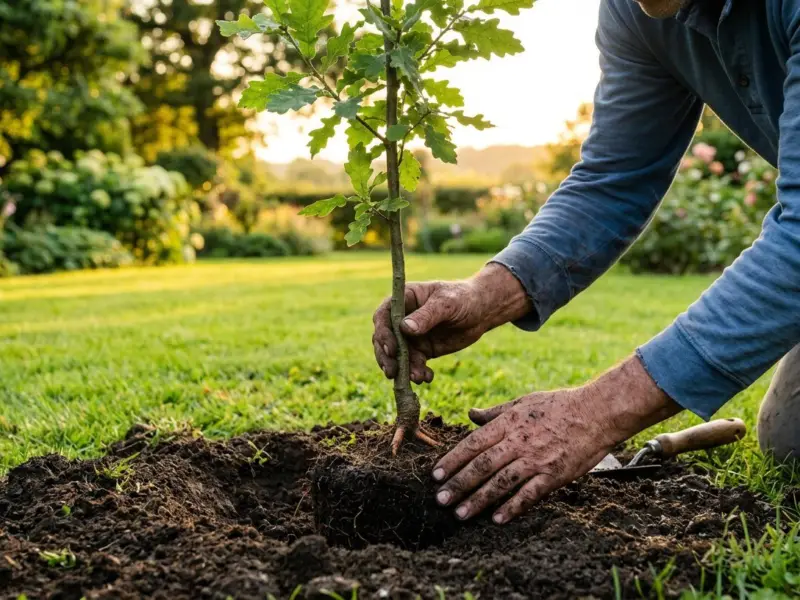
How to Plant a Tree Properly (The 10-Minute Professional Method)
Most trees die from being planted too deep. Learn the exact hole size, root-flare rule, staking and aftercare that nursery professionals actually use.
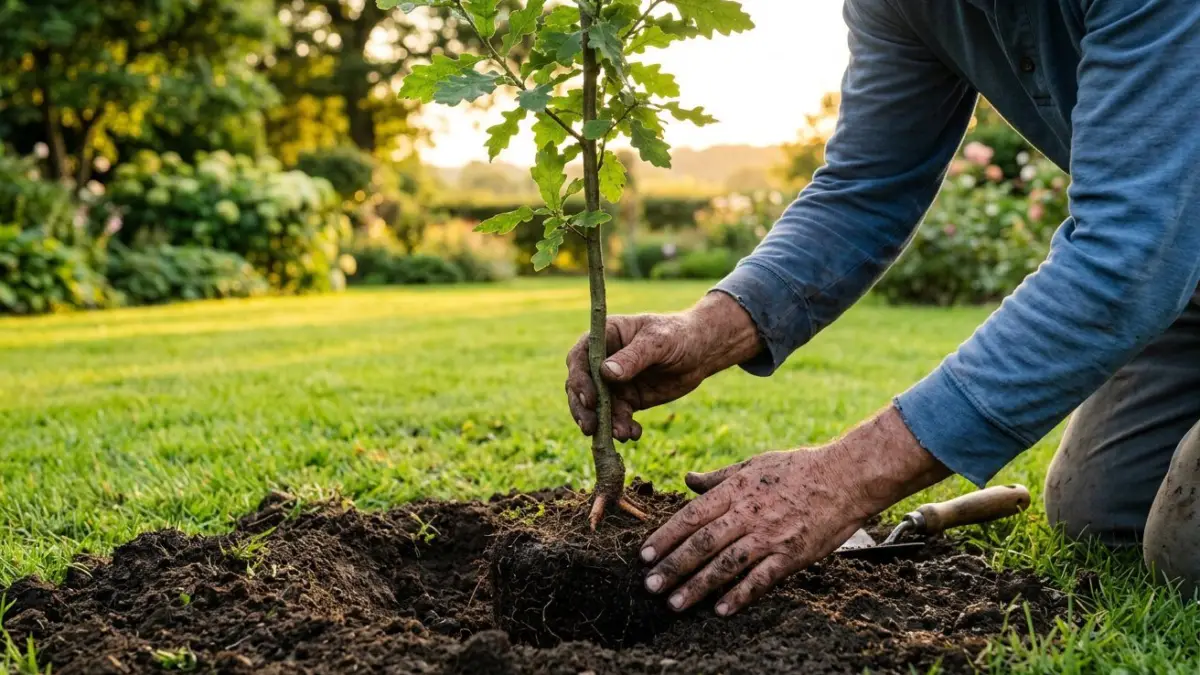
Best Shade Trees for Home Gardens (Fast, Clean, Beautiful)
Choose a shade tree by mature size, root habit, litter and climate, then place it where its shadow cools your wall or seat. Includes spacing rules…
Fruit Trees for Beginners: 7 That Almost Grow Themselves
Pick fruit trees by chill hours, pollination group and rootstock, and set honest expectations for years to first harvest, from fig in 2 years to pear…
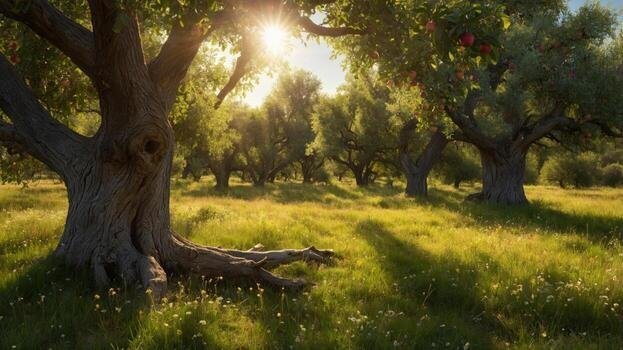
How to Prune Trees Safely: Cuts, Timing and Tools
Where to make the cut, how much to remove, the right season by tree type, and the ladder, chainsaw and power-line limits that tell you when…
Palm & Tropical Tree Care: Fertilizing, Fronds and Frost
Palms have one growing point and feed differently from other trees. Learn the deficiency symptoms, the frond rules, how to read frost damage and when a…
Tree Watering & Mulching: The Deep-Root Method
How much water a tree needs by age and trunk size, how to deliver it slowly to the root zone, and how to build a mulch…
Shrub Maintenance and Renewal Pruning
Prune shrubs at the right moment: the rule of thirds for overgrown shrubs, timing by flowering group, which species tolerate hard cuts and which never recover.
Tree Diseases: Identification and Organic Treatment
Diagnose tree problems by symptom pattern, learn which organic treatments work and which barely do, and know when a certified arborist is the only sensible call.
Staking and Protecting Young Trees: Stakes, Guards and Winter Care
When a young tree needs a stake, how to tie it, and how to protect bark and roots from rabbits, deer, sun, frost and mowers in…
Best Pruning Tools and Loppers
How to choose pruning tools and loppers: bypass versus anvil, cutting capacity, saws and pole pruners, handle length, keeping blades clean, and staying safe on tree…