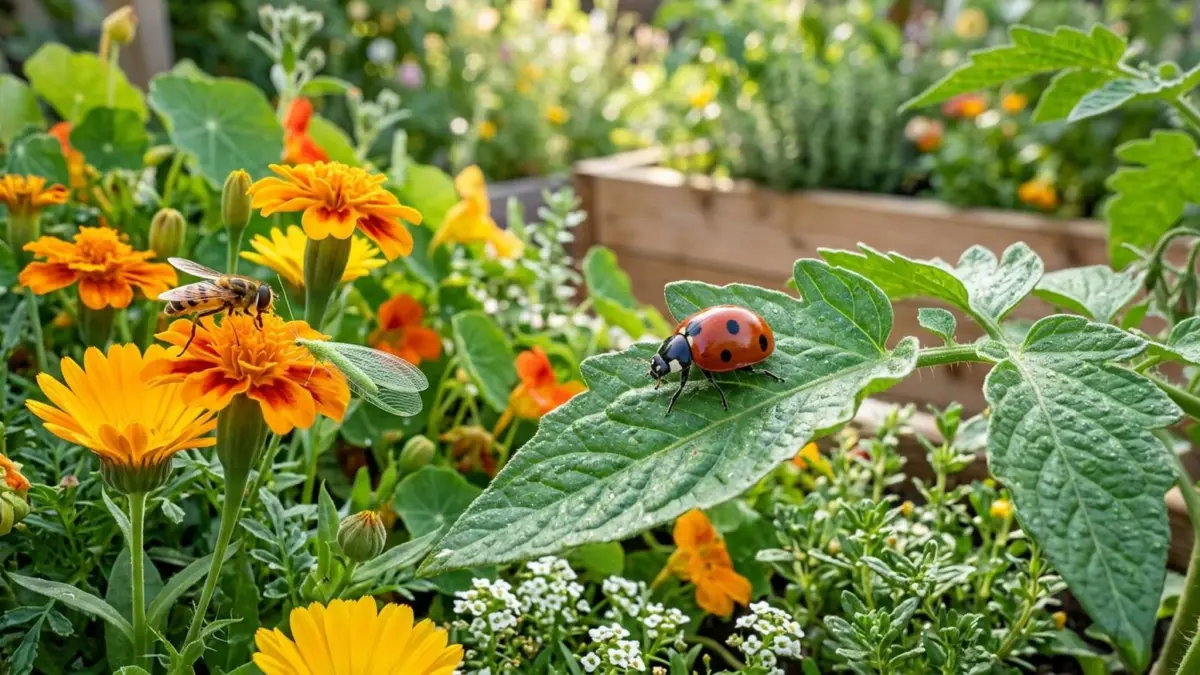
Quick answers
- Are natural sprays safe for bees, fish and pets?
- Safer than many synthetics, but not harmless. Soap and neem kill bees and beneficial larvae they land on, neem and copper are toxic to fish, and cats and dogs can be made ill by neem oil, essential oils or chili. Spray in the evening, away from open flowers and ponds, and keep pets off until leaves are dry.
- Do homemade sprays actually work?
- Soap and neem give decent control of aphids, mites and whitefly if you wet the pest directly and repeat 2 to 3 times at 5 to 7 day intervals. Bicarbonate only slows mildew when applied before symptoms, and garlic or chili sprays have thin evidence. Heavy infestations usually need the pest-specific methods in the pest control guide.
- How do I stop a spray burning the leaves?
- Test it on one leaf or a small branch and wait 24 to 48 hours. Spray in the evening or early morning, below about 27°C (80°F), never in direct sun or on drought-stressed plants. Use pure soap, not detergent, and mix by measuring rather than guessing.
- How long can I keep a mixed spray?
- Use soap spray the same day and neem emulsion within a few hours, because neem breaks down in light and water. Store neem concentrate cool and dark in its sealed bottle, and label everything you mix.
Key takeaways
- Soap and neem work only on pests you wet directly, and need 2 to 3 repeats 5 to 7 days apart
- Always test one leaf and wait 24 to 48 hours; never spray in sun, heat or on dry-stressed plants
- Bicarbonate and milk are preventives for mildew, not cures, and sodium can build up in soil
- Natural is not harmless: neem, copper and pyrethrin harm fish, and soap and oils harm bees they touch
Table of contents12 sections
These 7 natural remedies are ones every gardener should know how to make, along with their limits and safe use.
Homemade garden sprays are a useful second line, not a miracle. Soap and neem do real work on soft-bodied insects such as aphids, mites and whitefly, but only when the spray touches the pest. Baking soda slows mildew if you apply it before symptoms show, and garlic or chili sprays have little reliable evidence behind them. None of them is automatically harmless, because “natural” says where an ingredient comes from, not how it behaves around bees, fish or a curious dog.
This guide covers recipes and strengths, an honest efficacy ranking, the test-patch and timing rules that prevent leaf burn, and the risks people tend to skip. It sits in the Pests, Diseases and Natural Care guides. For pest-by-pest tactics see Common Garden Pests and Organic Control, and for the allies your sprays can accidentally kill read Beneficial Insects.
Natural remedies at a glance
| Remedy | Typical strength | Best for | Efficacy | Main risk |
|---|---|---|---|---|
| Insecticidal soap | 5 to 10 ml pure soap per litre (1 to 2 tsp per quart) | Aphids, spider mites, whitefly, young scale | Good on contact, no residue | Leaf scorch; kills bees and larvae it wets |
| Neem oil | About 5 ml per litre plus 2 to 3 ml soap as emulsifier | Soft-bodied pests, some mildew and rust prevention | Moderate, slow (days) | Toxic to fish; scorch in sun; harms bees if sprayed on blooms |
| Baking soda | 5 g per litre (1 tsp) with a little soap or oil | Preventing powdery mildew and black spot | Modest, preventive only | Leaf burn; sodium build-up in soil and pots |
| Potassium bicarbonate | As label, usually 3 to 5 g per litre | Same, plus some active mildew | Better than baking soda | Burn if overdosed |
| Milk (1 part to 9 parts water) | 10% milk | Powdery mildew on squash and cucumber | Mixed, preventive | Smell and mould if overused |
| Garlic-chili | Blended, strained, diluted about 1 to 10 | Deterring chewers | Weak and short-lived | Eye and skin irritation |
| Diatomaceous earth | Dry dust, thin layer | Crawling pests on dry soil | Poor outdoors in damp climates | Dust inhalation; kills beneficial insects |
What works, what half works, what mostly doesn’t
Soap is the most dependable homemade spray. It strips the waxy coat and breaks down cell membranes, so soft-bodied insects dry out within hours. It does nothing once dry, which means eggs, protected scale and anything hidden on a leaf underside you missed will survive. That is why a single spray rarely clears an infestation and three sprays 5 to 7 days apart often do.
Neem is slower. Azadirachtin, its active compound, reduces feeding and disrupts moulting, so pests decline over several days instead of dropping dead. Cold-pressed neem oil also smothers some insects and gives partial suppression of powdery mildew, rust and black spot when used before infection. Expect reduction, not elimination.
The fungal remedies are weaker still. Bicarbonate works by raising surface pH and disturbing fungal cell function, and trials on roses and cucurbits show modest benefit, mostly when used with a light horticultural oil or soap and applied weekly from before the first symptom. Potassium bicarbonate, sold as a garden fungicide in many countries, does better and avoids sodium. Milk sprays have shown protection of cucurbits against powdery mildew in some trials and none in others, so treat them as a cheap experiment. Garlic and chili sprays may put off a few chewing insects for a day or two, and rain wipes them away.
If a remedy has not reduced a pest by 70 to 80% in a week (count on three marked leaves before and after), change the method rather than doubling the dose. Stronger mixes mostly burn leaves.
Application rules that prevent leaf burn
Phytotoxicity (spray burn) causes more harm than most remedies prevent. The same rules apply to every soap, oil or mineral spray.
- Test patch first. Spray one leaf or a small branch, then wait 24 to 48 hours. Spotting, crisping or yellowing means dilute further or skip the plant. Do this for each new plant species and each new recipe.
- Pick the time. Spray early morning or early evening, out of direct sun and below about 27°C (80°F). Oils and soaps on hot, sunlit leaves cook them. Evening also avoids foraging bees, but give foliage a few hours to dry before dark to avoid inviting disease.
- Skip stressed plants. Drought-stressed, newly transplanted or very young seedlings burn easily. Water the day before.
- Cover the target. Wet leaf undersides, stem joints and new growth until it just drips. Missed areas are why sprays “fail”.
- Use soft water. Hard water reacts with soap and weakens it. Rain water or filtered water performs better.
- Mix fresh and measure. Use a measuring spoon, pure soap (not dish detergent, degreasers or anything with bleach) and a dedicated sprayer.
- Don’t stack products. Don’t spray sulfur within about two weeks of an oil, and don’t combine homemade and bought sprays on the same day.
Soap-sensitive plants include ferns, sweet peas, nasturtiums, some Japanese maples and many succulents. Fuzzy leaves hold liquid longer and scorch more easily.
Three recipes worth making
Soap spray
Mix 5 ml (1 tsp) of pure liquid soap into 1 litre (about a quart) of soft water for a starting strength. For stubborn mites or aphids, once the test patch is clean, go up to 10 ml per litre. Don’t exceed 20 ml, which is 2%. Spray, repeat in 5 to 7 days, and stop after three rounds if numbers aren’t falling.
Neem spray
Add about 5 ml of neem oil and 2 to 3 ml of soap to 1 litre of warm water, shake hard and keep shaking while you spray because the oil separates. Use within a few hours. Follow the label of any commercial neem product, because strengths and pre-harvest intervals differ, and never spray it on open flowers or near a pond.
Bicarbonate mildew spray
Dissolve 5 g (1 tsp) of baking soda in 1 litre of water with a few drops of soap, and apply weekly from before the first symptoms on roses, squash and cucumbers. Stop after four to five applications in a row, switch to potassium bicarbonate if available, and avoid use on potted plants, where sodium accumulates. For what mildew and black spot look like and how to tell them apart, see Plant Diseases: Identify and Treat.
Natural does not mean harmless
Read labels and keep every spray, powder and concentrate away from children and pets. Wear gloves and eye protection when mixing chili, neem or any concentrate, and never store sprays in drink bottles.
- Bees and beneficials: Soap and oils kill any insect they wet, including bees, hoverfly larvae and ladybirds. Natural pyrethrin is highly toxic to bees and fish, and it kills almost every insect it touches. Avoid it.
- Fish and ponds: Neem, pyrethrin, copper and sulfur fungicides are toxic to aquatic life. Don’t spray near ponds, streams or drains, and don’t wash sprayers out where runoff reaches water.
- Pets: Neem oil can cause vomiting and drooling if eaten. Cats are especially sensitive to concentrated essential oils such as tea tree and peppermint, and onions, garlic and chili are harmful to dogs and cats in quantity. Keep pets off sprayed beds until dry.
- Diatomaceous earth: Use food-grade, never pool-grade (heat-treated, with crystalline silica). Wear a dust mask. It harms beneficial insects as readily as pests, so never dust flowers.
- Metals and minerals: Copper builds up in soil over years and harms worms and aquatic life. Sulfur burns leaves in heat above about 30°C (86°F).
- Food crops: Check pre-harvest intervals on commercial products and wash produce before eating.
When a remedy fails: quick diagnosis
| Symptom | Likely cause | Fix |
|---|---|---|
| Brown or crisp spots 1 to 2 days after spraying | Too strong, too hot, or detergent used | Rinse with plain water, switch to pure soap at half strength, retest |
| Pests back within a week | Eggs survived, or leaf undersides missed | Repeat at 5 to 7 days for three rounds; wet undersides |
| Mildew keeps spreading after bicarbonate | Started too late, or poor airflow | Prune for airflow, remove worst leaves, use a sulfur or potassium bicarbonate product |
| Neem will not mix | Cold water or no emulsifier | Use warm water and a few drops of soap, shake first |
| Spray clogs sprayer | Garlic or chili solids | Strain through fine cloth |
| Scale or mealybugs untouched | Waxy armour shields the insect | Wipe with an alcohol-dipped swab, or prune the worst stems |
Spray the whole plant only after the test patch passes. If you want to protect bees, treat just the infested shoots and cut off badly infested tips instead of drenching the plant.
What natural remedies every gardener should know can and can’t do
A soap spray kills aphid and spider mite on contact, but it can harm bee and ladybird, so you should apply it in the evening. Neem oil controls whitefly and thrips and reduces powdery mildew on squash, though it needs repeat sprays. Baking soda sprays can slow black spot on rose and mildew on cucumber, and they work best as prevention.
Garlic and chilli sprays repel some caterpillar and aphid, but rain washes them off quickly. Wood ash supplies potash and raises ph, which suits cabbage and discourages slug when dry. Diatomaceous earth kills slug and beetle when dry, and it harms bee if dusted on flowers. Soap and oil injure plants in strong sun, so you’ll test a small leaf first and wait 24 hours. Compost tea feeds tomato lightly, and nettle feed gives nitrogen to lettuce after 2 weeks of steeping. Seaweed boosts potassium, and epsom salts fix magnesium shortage on tomato and pepper at 1 tablespoon per 5 litres. Copper tape stops slug on pots, and a beer trap catches them overnight. Your extension service lists tested remedies and warns about homemade mixtures, and the organic pest control guide shows where each fits.
Ladybird controls aphid on rose. Garlic repels aphid near rose. Mulch reduces slug and protects hosta. Earthworm improves loam.
Common mistakes
- Using dish detergent: degreasers and additives strip the leaf cuticle and scorch plants. Use pure soap or a labelled insecticidal soap.
- Spraying in sun or heat: water droplets and oils concentrate heat on the leaf. Spray in the cool of morning or evening.
- Skipping the repeat: contact sprays leave no residue, so survivors and newly hatched eggs repopulate. Plan three rounds.
- Doubling the dose: stronger sprays burn leaves long before they kill more pests. Fix coverage and timing instead.
- Treating mildew after it explodes: bicarbonate and milk protect, they don’t cure. Start before symptoms or use a labelled curative.
- Assuming safe for wildlife: neem near ponds, soap on open flowers and pyrethrin anywhere cause damage. Spot-treat and spray at dusk.
For a full plan against slugs, read Slugs and Snails: Natural Control.
For what works and what to skip, see Best Organic Pest Control Products.
Next steps
Match the remedy to the pest with Common Garden Pests and Organic Control, learn the fungal symptoms your sprays are meant to prevent in Plant Diseases: Identify and Treat, and keep your sprayer clean with Garden Hygiene. For the full overview return to the Pests, Diseases and Natural Care guides.
Frequently asked questions
Can I use washing-up liquid instead of pure soap in garden sprays?
It is better not to. Washing-up liquids often contain degreasers, fragrances or other additives that can scorch leaves. Use pure liquid soap, measured at about 5 ml per litre to start, and test on one leaf first. Never use anything containing bleach.
How do I make a baking soda spray for powdery mildew?
Mix about 5 g (1 tsp) of baking soda per litre of water with a few drops of soap or light oil. It works only as a preventive, applied weekly from before symptoms appear. Test on a leaf first, and avoid overuse because sodium can build up in soil.
Does a milk spray control powdery mildew?
Sometimes. A mix of 1 part milk to 9 parts water has protected squash and cucumber in some trials and failed in others. Treat it as a cheap preventive experiment, not a cure. Overuse can cause smells and mould on leaves.
Does neem oil actually kill aphids on plants?
It reduces them, but slowly. Neem disrupts feeding and moulting, so aphids decline over several days rather than dropping dead. A typical mix is about 5 ml neem oil plus 2 to 3 ml soap per litre. Spray in the evening, away from open flowers and ponds.
Do garlic and chilli sprays keep pests away?
Only weakly. Garlic and chilli sprays may deter a few chewing insects for a day or two, and rain washes them off. They can also irritate eyes and skin. Soap or physical controls such as mesh give more dependable results.
Which plants are sensitive to soap sprays?
Ferns, sweet peas, nasturtiums, some Japanese maples and many succulents can scorch. Plants with fuzzy leaves hold liquid longer and burn more easily. Always spray a test leaf and wait 24 to 48 hours before treating the whole plant. Fuzzy leaves scorch most easily.
Is diatomaceous earth a safe pest control in the garden?
Use it with care. It works only as a dry dust on crawling pests, performs poorly in damp weather, and kills beneficial insects too. The fine dust is harmful to breathe, so wear a mask and apply it only in thin layers where needed.
Can I spray soap on vegetables I plan to eat?
Yes, in general, if you use pure soap at the recommended dilution and wash the produce before eating. Avoid spraying right before harvest. Home-made mixes have no official harvest interval, so leave a few days where you can. Rinse leafy crops under running water before use.
How long should I wait between homemade spray applications?
Wait 5 to 7 days between sprays and stop after three rounds if numbers are not falling. Soap does not kill eggs, so a repeat catches those that hatch. Stronger or more frequent sprays mostly burn leaves rather than improving control.
How can I tell if a homemade spray is working?
Count pests on three marked leaves before spraying and again a week later. If numbers have not dropped by 70 to 80%, change the method rather than doubling the dose. Missed leaf undersides are a common reason sprays seem to fail.
More in Pests & Diseases
Protect Your Garden from Wildlife: Humane Methods That Work
Deer, rabbits, moles, squirrels and birds each need a different answer. Fence heights, burial depths and realistic expectations for repellents.

Preventing Garden Problems Before They Start (The Master Guide)
A weekly scouting routine, action thresholds, resistant varieties, crop rotation intervals and timing rules that stop most pest and disease outbreaks early.

Garden Hygiene: Sanitation That Prevents Problems
Disinfect tools with 70% alcohol or a 1 in 10 bleach mix, know which diseased waste goes in the bin, and water and space plants so…