Quick answers
- How do I make my flower border look fuller?
- Fill gaps with annuals while perennials establish. Plant in groups rather than singles. Accept that new borders take 2-3 seasons to reach full effect.
- What flowers bloom all summer long?
- Few plants bloom continuously, but many come close with deadheading: cosmos, zinnias, marigolds, salvia, coneflower, lavender.
- When should I divide perennials?
- Generally, divide spring-blooming perennials in autumn and summer-blooming perennials in spring.
- How do I keep rabbits and deer from eating my flowers?
- Layered defence works best: physical barriers, repellents, and plant choices to reduce appeal.
Key takeaways
- Design for height layering. Tall back, medium middle, short front makes every border look intentional.
- Repetition creates cohesion. The same plant in three places turns a collection into a garden.
- Match plants to conditions before matching them to aesthetics. A beautiful plant in the wrong place fails.
- Understand each plant category role: perennials are backbone, annuals are fill, bulbs are season extenders.
- Deadheading is communication with the plant. Removing spent flowers tells the plant to try again.
- Plan for the whole season, not just peak bloom. A border that looks good in August but bare in April has a gap.
- Accept that borders evolve. The first year matches the plan; the third year matches the garden.
- Spring bulb foliage must die back naturally. That green leaves the bulb for next year bloom.
Table of contents28 sections
- Choose by light, then by role
- Annuals, perennials and bulbs: three different jobs
- Sun and shade: why the plant list splits
- Flowers across the year
- Supporting pollinators with flower choice
- Routine jobs that keep flowers coming
- Cutting flowers for the house
- Troubleshooting flower problems
- How flower gardening choices affect soil, pollinators and bloom
- What questions does this guide answer?
- What does each guide cover?
- Sun: 12 flowering plants for full sun
- Shade: Shade-loving flowers
- Roses: How to grow roses
- Bulbs: Flower bulbs for year-round bloom
- Pollinators: Flowers that attract pollinators
- Borders: Low-maintenance flower borders
- Choosing: Annuals vs perennials
- Cut flowers: Cutting garden
- Dahlias: How to Grow Dahlias: Planting Tubers, Staking, Pinching and Winter Storage
- Supports: Best Trellises and Plant Supports
- What flowers in each season?
- How long should you keep bulb foliage?
- What routine jobs keep a flower garden going?
- How do the flower choices affect each other?
- Key terms
- Common mistakes with flowers
- Where to go next
Flower gardening is easier when you match each plant to its light, soil and season, so this guide shows you how to build blooms from early spring to the first frost.
Flower gardening is the practice of matching flowering plants to your light and soil, combining annuals, perennials and bulbs so something blooms in every season, and keeping them flowering with routine jobs such as deadheading, dividing and mulching.
A flower garden works when three decisions line up: the plant suits the light and soil, the mix of annuals, perennials and bulbs gives flowers across the year, and a small number of routine jobs such as deadheading, dividing and mulching keep it going. This guide organises the flower guides by the question you’re likely to be asking, from “what grows in my light” to “how do I get a bouquet from the garden”.
Quick answer: work out how many hours of direct sun each bed gets, pick plants for that light, and mix annuals, perennials and bulbs so no month is empty. Deadhead repeat bloomers regularly and let bulb foliage die back naturally.
Light is the first filter, because sun and shade split the plant list into two largely separate groups. Plant lifespan is the second, because annuals, perennials and bulbs each fill a different role. Design and pest control then decide how the result looks and lasts, so keep the garden design guides and the pests and diseases guides alongside this one.
Choose by light, then by role
| Question | Answer | Guide |
|---|---|---|
| Six or more hours of direct sun | Heat and drought tolerant bloomers | Flowering plants for full sun |
| Less than four hours of sun | Shade-adapted flowers and woodland bulbs | Shade-loving flowers |
| Flowers for one season, then replace | Annuals | Annuals vs perennials |
| Flowers that return each year | Perennials and bulbs | Annuals vs perennials, flower bulbs |
| Flowers for bees and butterflies | Single, open flowers across the whole season | Pollinator flowers |
| Little time for upkeep | Tough perennials in a planned border | Low-maintenance borders |
| Flowers for the house | Productive, repeat-flowering cut flowers | Cutting garden |
| Repeat-flowering shrub | Roses and their care cycle | How to grow roses |
Annuals, perennials and bulbs: three different jobs
Annuals complete their life cycle in one season and put their energy into flowers, so they bloom for months but must be sown or bought again each year. Perennials return from the same roots, usually flowering for a few weeks each year but costing nothing to replace and often improving with age. Bulbs store food underground, flower at a set time, and then fade back, which makes them ideal for filling the gaps in a border. A garden built from only one group has a weakness: all annuals means constant work, all perennials means short flowering windows, and all bulbs means bare soil for most of the year. The comparison in annuals vs perennials shows how to combine them.
| Type | Flowering period | Effort | Best use |
|---|---|---|---|
| Annuals | Many months, one year | Sow or buy yearly | Fast colour, gap filling, cutting |
| Perennials | A few weeks to a few months each year | Divide every few years | Structure and low upkeep |
| Bulbs | Short, at a fixed season | Plant once in the right season | Seasonal waves of colour |
Sun and shade: why the plant list splits
Flowering needs energy from light, so plants that bloom heavily usually want a lot of it. Sun-loving flowers often have silver, grey or narrow leaves that reduce water loss, which is why they cope with drought once established. Shade plants typically have larger, thinner leaves to catch limited light and prefer soil rich in organic matter, since many evolved on forest floors. Putting a sun plant in shade produces tall, floppy growth and few flowers, and putting a shade plant in full sun scorches its leaves. The guides on full sun and shade cover specific plants and how to improve poor conditions.
Flowers across the year
A garden looks full in every month when you plan flowering periods the way you would plan a timetable. Bulbs such as snowdrops, crocus and daffodils lead in late winter and spring, early perennials and roses carry early summer, summer annuals and late perennials take over, and asters, sedums and ornamental grasses finish the year. The flower bulbs guide shows how to layer bulb planting so spaces stay filled, and low-maintenance borders shows how to repeat a few reliable plants for a designed look.
Supporting pollinators with flower choice
Pollinators need food across the whole season, not a single burst of colour. Single, open flowers give easy access to pollen and nectar, while many heavily doubled cultivars have little or none because the flower parts have been bred into extra petals. Choosing a succession from early spring to autumn, planting in groups large enough to notice, and avoiding insecticide sprays on open blooms all help. The planting lists are in flowers that attract pollinators, and safe pest management is in the pests and diseases guides.
Routine jobs that keep flowers coming
- Deadhead repeat-flowering annuals and perennials so energy goes into new buds rather than seed.
- Stake tall plants early, before stems flop, because late staking never looks natural.
- Divide crowded perennials every three to five years to restore vigour.
- Feed container flowers regularly, since nutrients wash out of pots quickly.
- Mulch beds to hold moisture and suppress weeds.
- Prune roses at the right time for the type, as covered in how to grow roses.
Cutting flowers for the house
Cut flowers grow best in rows or a dedicated bed, where the aim is stems rather than looks. Picking regularly encourages many annuals to produce more flowers, so a cutting garden can give bouquets for months from a small area. Stems last longest when cut early in the morning or evening and placed straight into clean water. The cutting garden guide lists productive species and how to harvest them.
Troubleshooting flower problems
| Symptom | Likely cause | Fix |
|---|---|---|
| Lots of leaves, few flowers | Too much nitrogen or too little light | Reduce nitrogen feed and move or thin shade |
| Tall, floppy stems | Too little light or overfeeding | Increase sun and stake early |
| Brown, crisp leaf edges | Heat, wind or irregular watering | Water deeply and mulch |
| White powder on leaves | Powdery mildew in dry roots and humid air | Improve airflow and water at the soil |
| Bulbs fail to bloom the second year | Foliage cut back too early | Let leaves die back naturally |
How flower gardening choices affect soil, pollinators and bloom
Lavender attracts bee, foxglove feeds bumblebee, and echinacea and cosmos keep hoverfly and bee fed until frost. Mulch protects peony roots and reduces weeds around hosta, compost feeds rose and dahlia and improves clay and loam, and sand drains clay and protects iris from rot. Deadheading zinnia and petunia boosts bloom for 8 to 10 weeks, and tulip and daffodil need 6 weeks of leaf growth after flowers fade because the leaves feed the bulb.
Sunflower tolerates drought but hydrangea needs steady water, salvia tolerates heat while catmint suits sharp drainage, and foxglove needs part shade while rudbeckia needs full sun. Clematis needs cool roots, so a low shrub of lavender shades them. Aphid attracts ladybird to rose, and ladybird controls aphid, while marigold repels whitefly near tomato and nasturtium draws aphid away from dahlia. Slug damages hosta and dahlia, so gravel mulch helps, and peony needs sun while fern needs shade. Plant drifts of 5 or 7 so bees find them, space most perennials 40 cm apart, and check local frost dates with your extension service or the rhs so you avoid losing dahlia tubers to cold.
What questions does this guide answer?
Quick answers to the questions people ask most, each linked to the guide that answers it in full.
| Type | Question | Short answer | Full answer |
|---|---|---|---|
| What | What counts as full sun and shade? | Full sun is six or more hours of direct sun, part sun or part shade is about three to six, and shade is under three. | Full sun and shade |
| How | How deep do I plant bulbs? | About two to three times the bulb height, so large bulbs such as tulips and daffodils go roughly 15 cm deep and small ones such as crocus 7 to 10 cm. | Flower bulbs |
| How | How do I get more flowers from annuals? | Pick or deadhead often, water steadily and avoid high nitrogen feed, which makes leaves at the expense of flowers. | Cutting garden |
| When | When should I prune roses? | Most bush roses in late winter to early spring as buds swell. Once-flowering climbers and ramblers are pruned after flowering. | How to grow roses |
| Why | Why does my border look good for only a few weeks? | Plants flower in one window. Layer bulbs, early and late perennials, and annuals to spread colour across the year. | Low-maintenance borders |
| Which | Which flowers help bees and butterflies? | Single, open flowers with accessible pollen and nectar, planted in groups and spread from early spring to autumn. | Pollinator flowers |
| Which | Annuals or perennials? | Annuals give fast, long colour but need replacing yearly. Perennials return and improve with age but flower for shorter periods. | Annuals vs perennials |
| Why | Why did my bulbs not flower the second year? | Foliage was cut or tied before it died back, so the bulb could not store food. Leave leaves for about six weeks after flowering. | Flower bulbs |
What does each guide cover?
Sun: 12 flowering plants for full sun
Sun-loving flowers often have silver, narrow or hairy leaves that reduce water loss. The guide lists reliable species by height and season, and explains how to deadhead and mulch them through summer heat.
Shade: Shade-loving flowers
Shade plants have larger, thinner leaves and often grow in woodland-style soil rich in organic matter. The guide separates dry shade from damp shade, and lists flowers and woodland bulbs that cope with each.
Roses: How to grow roses
Roses reward a regular cycle of planting, feeding, pruning and disease control. The guide sets out the year by type, from bare-root planting to summer deadheading and winter pruning.
Bulbs: Flower bulbs for year-round bloom
Bulbs store their own food, so timing and foliage care matter. The guide gives planting depths and seasons, and shows how to layer bulbs so spring, summer and autumn flowers follow each other.
Pollinators: Flowers that attract pollinators
Pollinators need food across the whole season and flowers they can reach. The guide explains which flower shapes suit which insects and how to avoid sprays that harm them.
Borders: Low-maintenance flower borders
A border needs few jobs when plants are matched to the site and repeated in drifts. The guide describes planting plans, spacing and mulch that cut weeding.
Choosing: Annuals vs perennials
The guide compares lifespan, flowering period, cost and effort, and shows how to combine the types for continuous colour.
Cut flowers: Cutting garden
Cut flowers need productive plants, regular picking and proper conditioning. The guide lists species that flower repeatedly and explains how to harvest so stems last.
Dahlias: How to Grow Dahlias: Planting Tubers, Staking, Pinching and Winter Storage
The guide covers planting depth and timing, staking, pinching for more blooms, feeding, pests and how to lift and store tubers.
Supports: Best Trellises and Plant Supports
The guide matches trellises, obelisks, wires and stakes to the way each plant climbs, with sizes, materials and fixing advice.
What flowers in each season?
Use this as a planning frame: aim for at least two or three plants in flower in every month of your growing season.
| Season | Typical leaders | Role |
|---|---|---|
| Late winter | Snowdrops, winter aconites, hellebores | First nectar for early bees |
| Spring | Crocus, daffodils, tulips, primulas | Bulb-led colour |
| Early summer | Roses, peonies, alliums, foxgloves | Perennial and shrub peak |
| Midsummer | Annuals, lavender, echinacea, salvias | Long-flowering core |
| Late summer to autumn | Asters, sedums, dahlias, rudbeckia | Late food for pollinators |
How long should you keep bulb foliage?
| Bulb | Planting depth | Plant in | Foliage care |
|---|---|---|---|
| Daffodil | About 15 cm | Autumn | Leave about six weeks after flowering |
| Tulip | About 15 cm | Late autumn | Leave until yellow |
| Crocus | About 7 to 10 cm | Early autumn | Leave until it dies back |
| Allium | Two to three times bulb height | Autumn | Foliage fades before the flower, which is normal |
| Dahlia tuber | About 10 to 15 cm | Spring, after frost | Lift or mulch in cold climates |
Many popular flowers, including lilies (very dangerous to cats), daffodils, foxgloves and lily of the valley, are toxic if eaten. Keep them out of reach of pets and young children, wear gloves when handling bulbs, and wash your hands afterward.
What routine jobs keep a flower garden going?
| Job | When | Why it works |
|---|---|---|
| Deadhead repeat bloomers | Weekly in season | Stops seed set, so the plant makes more buds |
| Stake tall plants | Early spring, before stems flop | Growth hides the support |
| Divide clumps | Every three to five years, spring or autumn | Restores vigour in the centre of tired clumps |
| Mulch beds | Spring, on damp soil | Holds moisture, suppresses weeds |
| Feed containers | Every one to two weeks in summer | Pots lose nutrients quickly through drainage |
How do the flower choices affect each other?
Too much nitrogen causes leafy growth, which reduces flowering and attracts aphids. Too little light causes tall, floppy stems, which then need staking and flower less. Cutting bulb foliage early starves the bulb, which means no bloom next year. Planting everything in one colour and season creates a single peak, followed by an empty border. Single flowers feed pollinators, while many double flowers offer little because the flower parts have been bred into petals. Knowing these links lets you fix a border by changing one thing rather than replanting it.
Key terms
- Deadheading: removing spent flowers to prolong blooming.
- Hardy annual: an annual that tolerates frost and can be sown early.
- Herbaceous perennial: a perennial that dies back to the ground each winter.
- Naturalising: bulbs that spread and return without replanting.
- Cultivar: a plant selected and named for particular traits.
Common mistakes with flowers
- Ignoring light. Plants that don’t suit the site rarely thrive, so choose by sun first.
- Planting in single colours and single seasons. The border peaks once, so layer bulbs, perennials and annuals.
- Cutting bulb foliage early. It starves next year’s flower, so wait until leaves yellow.
- Overfeeding with nitrogen. It gives leaves instead of blooms, so feed for flowers.
- Planting too closely. Crowding spreads disease, so follow the spacing on the label.
Where to go next
Use the garden design guides to arrange your flowers into beds with form, colour and rhythm, the soil, water and fertilizer guides to improve the ground, and the pests and diseases guides to protect the result.
Frequently asked questions
How do I start a new flower bed from scratch?
Check the hours of sun, then choose plants for that light. Loosen the soil to spade depth, fork in about 5 cm of compost and plant at the spacing on the label. Mix annuals, perennials and bulbs so no month is empty, and water deeply through the first season.
Which flowers bloom all summer?
Zinnia, marigold, cosmos, petunia and vinca flower from early summer to frost if you deadhead them. Among perennials, catmint and salvia flower again after shearing. Cutting spent flowers back every week or so keeps most annuals producing for months.
Why are my flowers tall and floppy?
Usually too little light or too much nitrogen. Move the plant or thin the shade, cut back feeding and stake tall plants early, before the stems flop. Staking late never looks natural, because the plant has already bent.
How often should I deadhead flowers?
Weekly in season for repeat bloomers. Removing spent flowers stops seed set, so energy goes into new buds. You can skip it for plants valued for their seed heads, such as echinacea. With bulbs, remove only the flower head and leave the leaves.
How can I keep flowers in bloom for pollinators all season?
Plant single, open flowers in groups from late winter to autumn: snowdrops and crocus first, then lavender and salvia, finishing with sedum and aster. Aim for two or three plants in flower each month and avoid spraying open blooms. See Flowers That Attract Pollinators for lists.
Are common garden flowers poisonous to pets?
Some are. Lilies are very dangerous to cats, and daffodils, foxgloves and lily of the valley are toxic if eaten. Keep them out of reach of pets and young children, wear gloves when handling bulbs and wash your hands. Call a vet if a pet has eaten any.
How do I keep container flowers blooming?
Feed pots every one to two weeks in summer, because nutrients drain out through the holes. Water when the top 5 cm of mix feels dry, and deadhead often. Pots dry faster than beds, so check them every two or three days in summer.
Should I mulch flower beds, and when?
Yes. Spread about 5 cm of compost or leaf mould in spring while the soil is damp. It holds moisture and suppresses weeds. Keep mulch a few centimetres away from plant crowns, because wet mulch against stems invites rot.
How often should I divide perennials?
Every three to five years, in spring or autumn, to restore vigour in the centre of tired clumps. Lift the clump, discard the dead middle and replant the vigorous outer pieces. Division also gives you free plants for other beds.
Can I grow flowers under trees?
Yes, if you choose plants that cope with dry shade, such as epimedium, hardy geranium and bergenia. Plant small, add compost to each hole and water for two seasons. Do not pile soil over tree roots. See Shade-Loving Flowers for more.
All Flower Gardening guides
12 Flowering Plants That Laugh at Full Sun
Twelve flowers that bloom hardest in six-plus hours of sun, with heights, water needs, climate picks and the care that keeps them flowering to frost.
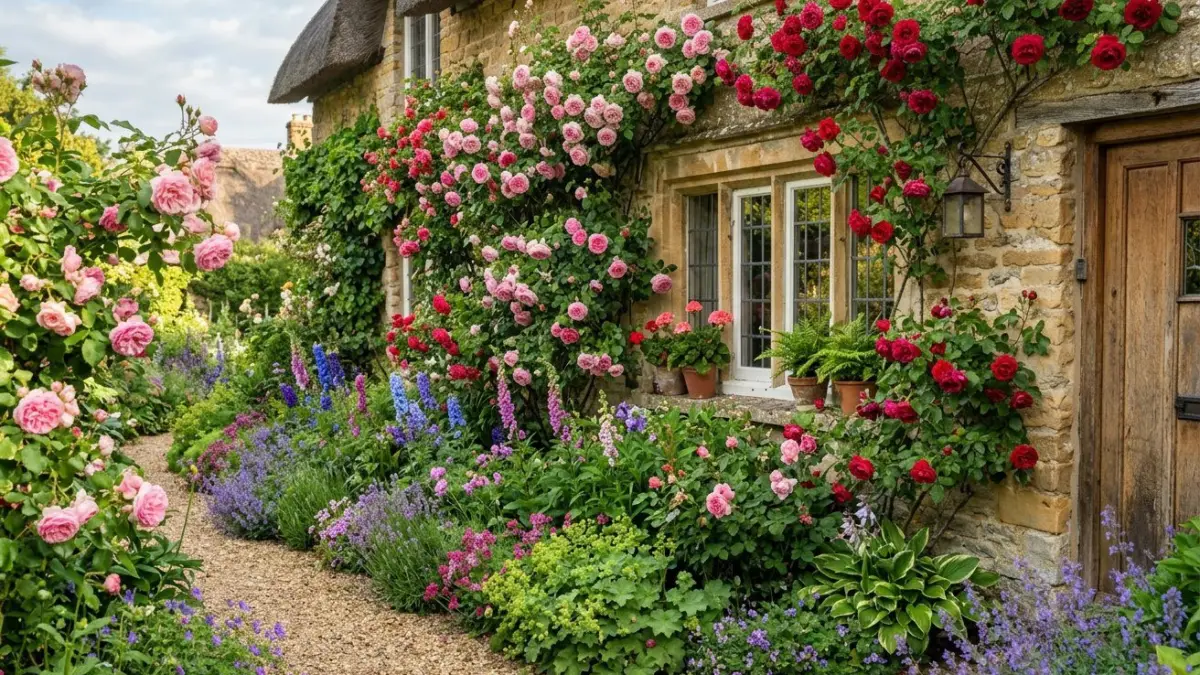
Shade-Loving Flowers: What Actually Blooms Where the Sun Does Not Reach
Dry shade, moist shade and dappled light need different plants. Learn to read your shade and choose flowers and foliage that perform in it.
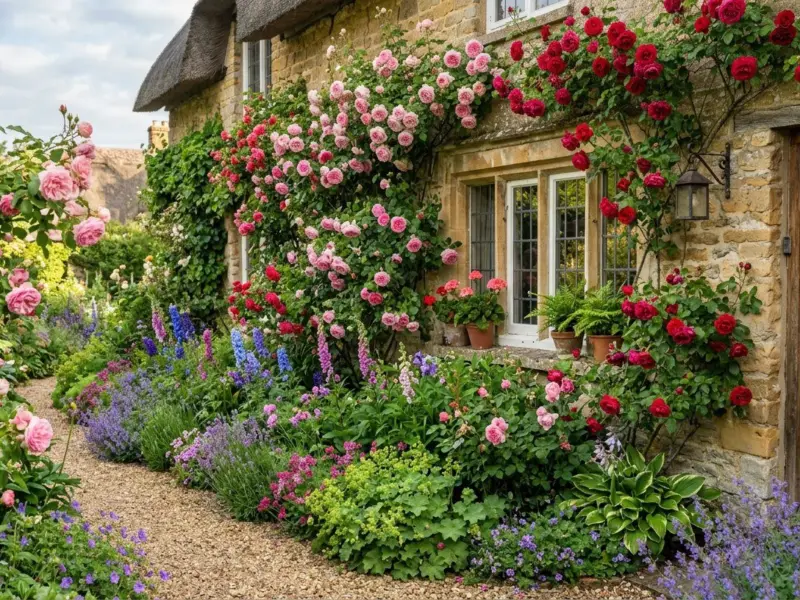
How to Grow Roses: The Complete Care Cycle
When to prune roses in your climate, how to tell black spot from its look-alikes, and a feeding rhythm that matches how roses actually grow.
Flower Bulbs 101: Planting for Year-Round Bloom
Plant at about three times the bulb's height, match chill needs to your winter, and sequence true bulbs, corms and tubers so something flowers nearly every…
Flowers That Attract Pollinators: Bloom Calendar and Habitat Guide
Plant a continuous bloom sequence, match flower shape to the pollinator and protect nesting habitat, a practical plan for bees, butterflies and hoverflies.
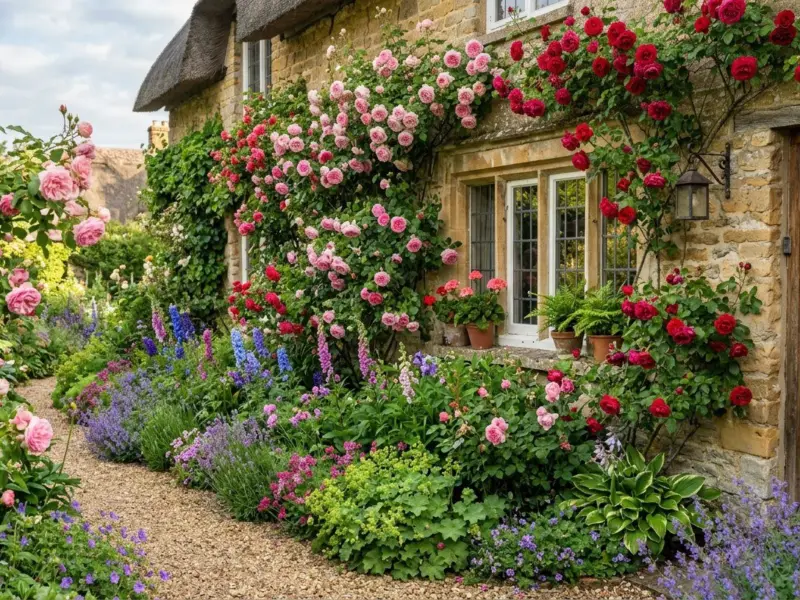
Low-Maintenance Flower Borders That Look Professionally Designed
Plant spacing, plant counts per square metre, a sample 4.5 m2 plan and a yearly work calendar for a border that needs about an hour a…
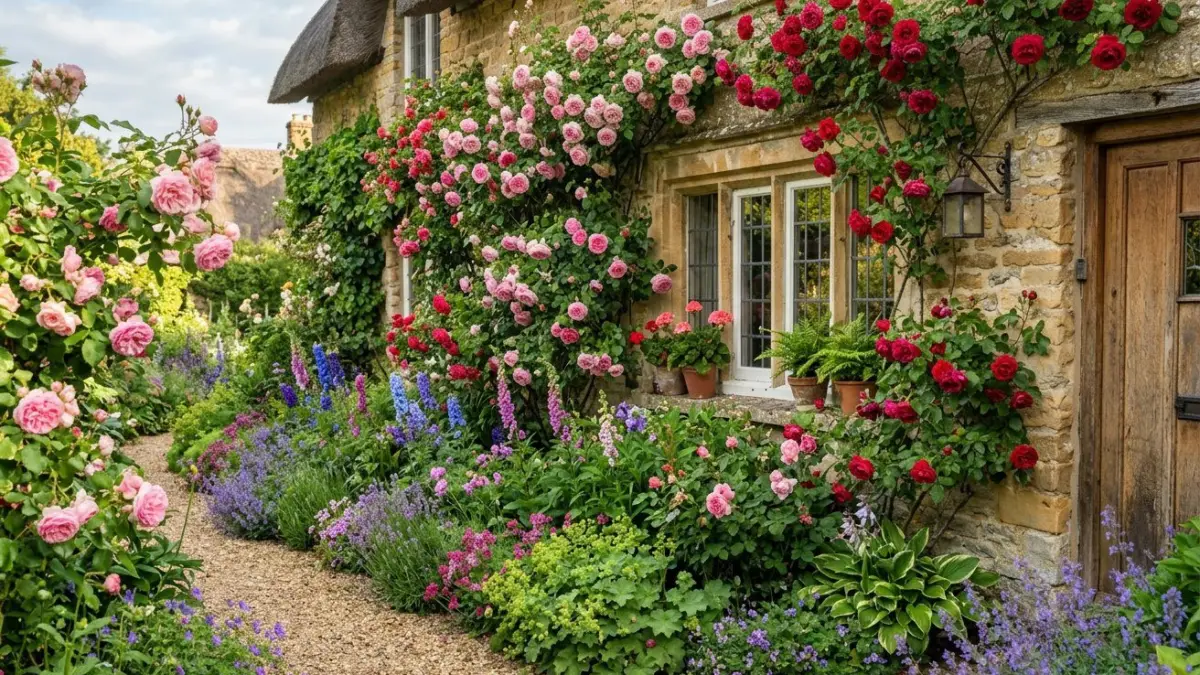
Annuals vs Perennials: What to Plant Where
Annuals, biennials and perennials differ in cost, labour and hardiness. Use these decision rules to choose what goes in beds, pots, gaps and cutting rows.
Cutting Garden: Growing Flowers for Bouquets
Plan a production bed that gives bouquets from spring to frost: close row spacing, pinching, the right cutting stage, succession sowing and conditioning for vase life.
How to Grow Dahlias: Planting Tubers, Staking, Pinching and Winter Storage
A practical guide to growing dahlias from tubers: when to plant, how to stake and pinch for more blooms, how to feed, and how to lift…
Best Trellises and Plant Supports
How to choose trellises and plant supports for climbers, roses and tall flowers: materials, sizes, fixing, spacing and which support suits sweet peas, clematis, dahlias and…