Quick answers
- How do I identify what is eating my plants?
- Look at the damage pattern. Holes with intact edges often mean caterpillars or beetles. Skeletonised leaves suggest caterpillars or slugs. Sap-sucking pests cause stippling. Slime trails point to slugs.
- When should I worry about garden pests?
- When damage threatens the plant health or your harvest. A few aphids on a strong plant are not a crisis. Significant defoliation or spreading disease are signals to act.
- What is the most effective organic pest control?
- Prevention first, then cultural controls, then physical controls, then biological controls, and finally organic sprays as last resort. Healthy plants resist pests better.
- How do I tell if a plant has a disease or a pest problem?
- Pests are usually visible; you can see the insect or animal. Diseases are usually not; you see symptoms but not the pathogen. When you cannot find a pest, suspect disease.
Key takeaways
- Identify before you act. Treating the wrong problem wastes time and can harm beneficials.
- Prevention is far more effective than treatment. Most serious problems are preventable with good practices.
- Tolerate some damage. A few holes in leaves are normal garden ecology, not emergencies.
- Start with the least toxic option. Hand-picking, water blasts, and physical barriers work for many problems.
- Diversity is pest management. Mixed plantings create a garden that resists pest outbreaks naturally.
- Sanitation matters. Remove diseased material promptly. Clean tools between plants.
- Learn the beneficial insects. Ladybirds, lacewings, hoverflies are your allies. Recognize and protect them.
- When you must spray, do it right. Identify the pest, choose the right product, and follow label instructions.
Table of contents28 sections
- Prevent, identify, respond
- Prevention does most of the work
- Hygiene: small habits, large effect
- Diagnose before you treat
- Pests: respond in proportion
- Diseases and beneficial insects
- Home remedies: useful and unsafe
- Wildlife
- How pests and diseases respond to natural care and prevention
- What questions does this guide answer?
- What does each guide cover?
- Prevention: Preventing garden problems before they start
- Hygiene: Garden hygiene
- Diagnosis: Troubleshooting wilt, yellowing and mystery symptoms
- Pests: Common garden pests and organic control
- Diseases: Plant diseases: identify and treat the big five
- Allies: Beneficial insects
- Remedies: Natural remedies for gardeners
- Wildlife: Protecting your garden from wildlife
- Slugs and snails: Slugs and Snails: Natural Control That Actually Works
- Products: Best Organic Pest Control Products
- Which pest is it, and what should you do?
- Which disease is it?
- Which control method comes first?
- How do the pest and disease choices affect each other?
- Key terms
- Common mistakes in pest and disease control
- Where to go next
Pests, diseases and natural care go together in a healthy garden, so this guide shows you how to prevent, identify and treat problems with gentle, natural methods.
Pest and disease management is the practice of preventing problems with healthy soil, spacing and clean habits, identifying the real cause of damage before treating it, and responding with the gentlest effective method so beneficial insects and pollinators are protected.
Most garden pest and disease losses are prevented, not cured. Healthy soil, good airflow, correct watering, clean tools and a habit of looking closely at plants once a week stop most problems early, and the rest are managed by identifying the cause before treating it. This guide links the detailed guides so you can prevent, identify and respond in the right order and use the gentlest effective method first.
Quick answer: inspect plants weekly, identify the cause before treating, start with hand picking, water jets, barriers and clean-up, and only use targeted products if numbers keep rising. Always follow the label.
The order matters because treating the wrong cause wastes time and can do harm. Yellowing, wilting and spots have several possible causes, including water, nutrients, pests and disease, so identification comes before any spray. Prevention connects to soil, water and fertilizer, and the plants most often affected are covered in the vegetables and herbs guides and the indoor plants guides.
Prevent, identify, respond
| Stage | What to do | Guide |
|---|---|---|
| Prevent | Build resilient plants and a garden that gives problems less room | Preventing garden problems early |
| Sanitise | Clean tools, remove diseased debris, manage waste | Garden hygiene |
| Diagnose | Work out whether the cause is water, feed, pest or disease | Troubleshooting wilt, yellowing and mystery symptoms |
| Pests | Identify the insect and choose a proportionate response | Common garden pests and organic control |
| Diseases | Recognise the common fungal, bacterial and viral problems | Plant diseases |
| Allies | Encourage predators that do the work for you | Beneficial insects |
| Home remedies | Know what works and what is unsafe | Natural remedies |
| Wildlife | Deter birds, deer, cats and rodents | Protecting your garden from wildlife |
Prevention does most of the work
Stressed plants attract pests and catch disease more easily, so the most effective control is a plant growing in the right place with the right soil and water. Spacing plants so air moves between them dries leaves faster and reduces fungal disease. Watering at the base rather than over the leaves keeps foliage dry. Rotating crops stops soil-borne problems building up in one bed, and choosing resistant varieties removes some diseases altogether. These steps are set out in preventing garden problems early.
Hygiene: small habits, large effect
Many diseases spread on tools, hands and fallen debris. Cleaning pruning tools between plants, especially when cutting diseased tissue, removing infected leaves and fruit promptly, and not composting heavily diseased material in a cool heap all reduce the amount of disease available to infect the next plant. Hygiene also covers watering equipment, pots and seed trays. See garden hygiene.
Diagnose before you treat
Ask three questions: which plants are affected, which part of the plant, and what pattern. A single plant failing suggests a local cause such as watering, while many plants failing together suggests weather, soil or a spreading pest or disease. Damage starting on new growth often points to a nutrient or root problem, while damage on older leaves points to mobile nutrients or disease. Look at the underside of leaves and the base of stems before deciding.
| Symptom | Possible causes | First check |
|---|---|---|
| Wilting with wet soil | Root rot, waterlogging | Soil moisture and roots |
| Wilting with dry soil | Drought, root damage | Water deeply and observe |
| Yellow older leaves | Nitrogen shortage, overwatering, natural ageing | Soil, feed history |
| Yellow new leaves | Iron or other lock-up at high pH | Soil pH |
| Spots with rings or halos | Fungal or bacterial leaf spot | Leaf wetness, airflow |
| Distorted new growth, sticky residue | Aphids or other sap feeders | Underside of leaves, shoot tips |
| Chewed holes or notches | Caterpillars, beetles, slugs, snails | Evening or early morning inspection |
The full process is in troubleshooting wilt, yellowing and mystery symptoms.
Pests: respond in proportion
A few pests on a healthy plant rarely justify a spray. Start with hand picking, a strong jet of water against aphids, barriers such as netting, and traps for slugs. Move to targeted organic products such as insecticidal soap only if numbers grow, and apply them in the evening to protect bees. Broad-spectrum sprays kill the predators that control pests, which can make the next outbreak worse. See common garden pests and organic control.
Diseases and beneficial insects
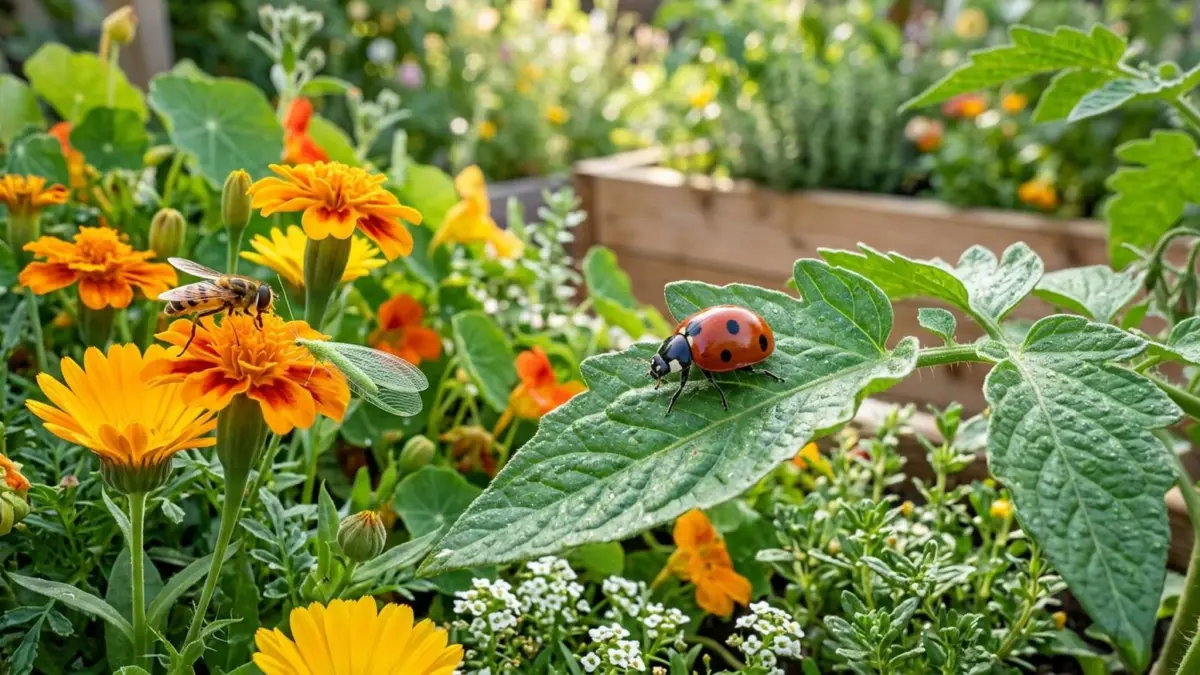
Fungal diseases such as powdery mildew, rust and black spot spread in humid conditions and are managed through airflow, clean-up and, where needed, an appropriate fungicide used exactly to label. Bacterial and viral diseases usually have no cure, so removal of affected plants is the control. See plant diseases for the main types. Ladybirds, lacewings, hoverflies and parasitic wasps eat or parasitise pests, and you encourage them with flowers across the season, shelter and by avoiding broad-spectrum sprays, as covered in beneficial insects.
Home remedies: useful and unsafe
Some home remedies, such as insecticidal soap and water sprays, can help. Others are ineffective or harmful, including mixtures with bleach, strong detergent, or large amounts of salt, which can damage plants and soil. Even natural ingredients can irritate skin and eyes or harm beneficial insects. Test any spray on a few leaves first and wait a day. See natural remedies for gardeners for recipes that are reasonable and the ones to avoid.
Read and follow the label of any pesticide, including organic ones. Wear gloves, keep products away from children, pets and water, never mix products unless the label says so, and don’t spray open flowers where bees are feeding. Wash edible crops before eating.
Wildlife
Deterring wildlife works best when matched to the animal and its habits. Netting protects fruit from birds, fencing at the right height and design deters deer and rabbits, and physical barriers around beds help against cats and digging animals. Repellents often work only briefly. See protecting your garden from wildlife.
How pests and diseases respond to natural care and prevention
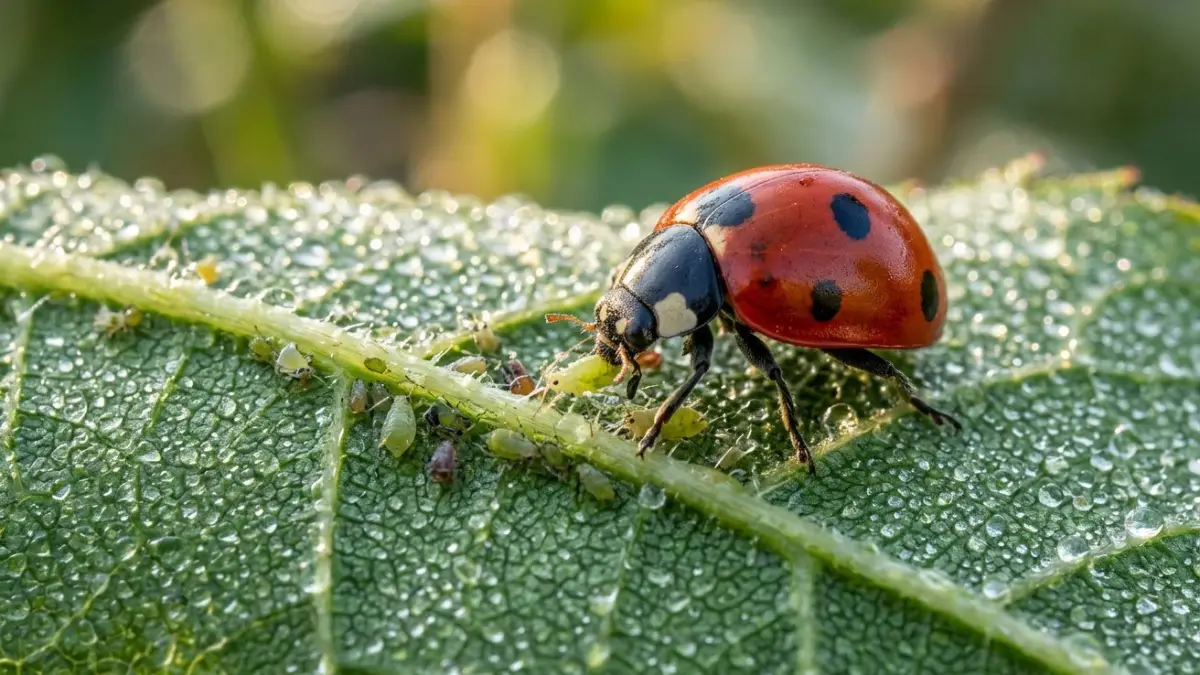
Ladybird controls aphid on rose and hoverfly controls aphid on lettuce, lacewing eats whitefly and aphid, and frog and hedgehog control slug and snail. Garlic repels aphid near rose and marigold repels whitefly near tomato, gravel blocks slug and protects hosta, and mulch reduces blight on tomato by stopping splash. Compost feeds soil and improves loam.
Powdery mildew attacks squash and rose in dry spells and airflow reduces it, black spot attacks rose in damp air and a clean bed prevents spread, and blight spreads on wet leaves of potato and tomato, so water at the base. Club root attacks cabbage and kale in acid soil, and lime reduces it, while fusarium causes wilt in tomato and root rot kills hosta in clay. Spray soap on aphid at 5 ml per litre and avoid flowers when bees visit, remove infected leaves within 1 day and burn them, and check plants weekly so you catch problems early. Your extension service or the rhs lists local pests and safe products.
What questions does this guide answer?
Quick answers to the questions people ask most, each linked to the guide that answers it in full.
| Type | Question | Short answer | Full answer |
|---|---|---|---|
| What | What is integrated pest management? | Combining prevention, monitoring and the least harmful effective control, using sprays last. | Prevent problems |
| How | How do I get rid of aphids? | Rinse them off with water, squash small colonies, encourage ladybirds and lacewings, and use insecticidal soap only if needed. | Garden pests |
| How | How do I stop fungal disease? | Space plants for airflow, water the soil not the leaves, clean up debris and sterilise tools. | Plant diseases |
| When | When should I spray? | Rarely. Spray in the evening, away from open flowers, only when monitoring shows damage is rising. | Natural remedies |
| Why | Why do leaves yellow and wilt? | Several causes: water, nutrients, root problems, pests or disease. Diagnose the pattern first. | Troubleshooting |
| Which | Which insects help in the garden? | Ladybirds, lacewings, hoverflies, ground beetles and parasitic wasps. | Beneficial insects |
| Which | Are home remedies safe? | Some, such as water and soap sprays. Others, such as bleach or salt mixtures, damage plants and soil. | Natural remedies |
| How | How do I keep deer and birds away? | Physical barriers such as netting and fencing work best. Repellents work briefly. | Wildlife |
What does each guide cover?
Prevention: Preventing garden problems before they start
Healthy soil, spacing, rotation and resistant varieties, with a weekly inspection routine.
Hygiene: Garden hygiene
Tool cleaning, debris removal and waste handling to stop disease spreading.
Diagnosis: Troubleshooting wilt, yellowing and mystery symptoms
A step-by-step process for working out whether water, feed, pests or disease is the cause.
Pests: Common garden pests and organic control
Identification and organic control of aphids, slugs, caterpillars and other common pests.
Diseases: Plant diseases: identify and treat the big five
Powdery mildew, rust, black spot, blight and root rot: signs, causes and responses.
Allies: Beneficial insects
Who the helpful insects are and how to attract and protect them.
Remedies: Natural remedies for gardeners
Seven reasonable recipes, what each does and the ones to avoid.
Wildlife: Protecting your garden from wildlife
Barriers and habits for birds, deer, cats and rodents.
Slugs and snails: Slugs and Snails: Natural Control That Actually Works
The guide combines night patrols, traps, barriers, nematodes and predators, and explains safe use of pellets.
Products: Best Organic Pest Control Products
The guide compares mesh, traps, barriers, nematodes and soaps, and shows how to use each safely around bees, pets and crops.
Which pest is it, and what should you do?
| Pest | Sign | First response | Natural enemies |
|---|---|---|---|
| Aphids | Clusters on new shoots, sticky residue | Rinse off, squash, soap spray if severe | Ladybirds, lacewings, hoverflies |
| Slugs and snails | Ragged holes, slime trails | Evening hand picking, traps, barriers | Ground beetles, birds, frogs |
| Caterpillars | Chewed leaves, droppings | Hand pick, net brassicas | Parasitic wasps, birds |
| Spider mites | Fine webbing, stippled leaves | Raise humidity, rinse, repeat treatment | Predatory mites |
| Whitefly | White flies rising from leaves | Yellow sticky traps, soap spray | Parasitic wasps |
Which disease is it?
| Disease | Sign | Favoured by | Response |
|---|---|---|---|
| Powdery mildew | White powder on leaves | Dry roots, humid air | Airflow, watering at soil, remove worst leaves |
| Black spot | Black spots on rose leaves | Wet leaves | Remove and bin fallen leaves, resistant varieties |
| Rust | Orange pustules | Warm, damp weather | Remove affected leaves, avoid overhead watering |
| Blight (tomato, potato) | Dark blotches, rapid collapse | Warm, humid weather | Resistant varieties, remove infected plants |
| Root rot | Wilting with wet soil, brown roots | Waterlogging | Improve drainage, reduce watering |
Which control method comes first?
| Order | Method | Example |
|---|---|---|
| 1 | Prevent | Healthy soil, spacing, rotation, resistant varieties |
| 2 | Physical | Hand picking, netting, water jets, traps |
| 3 | Biological | Encourage predators, flowers for beneficial insects |
| 4 | Targeted product | Insecticidal soap, label-approved treatments |
How do the pest and disease choices affect each other?
Overfeeding with nitrogen causes soft, sappy growth, which attracts aphids. Wet leaves cause fungal infection, which spreads faster in crowded plants. Broad-spectrum sprays kill predators, which allows pest numbers to rebound. Dirty tools carry disease from one plant to the next. Prevention works because it breaks these chains early, while spraying only treats the symptom.
Key terms
- Integrated pest management: combining prevention, monitoring and the least harmful effective control.
- Beneficial insect: an insect that preys on or parasitises pests.
- Crop rotation: moving crop families between beds each year.
- Systemic: a product that’s taken up inside the plant.
- Host plant: a plant a pest or disease depends on.
Common mistakes in pest and disease control
- Spraying before identifying. The treatment may not match the cause, so diagnose first.
- Using broad-spectrum products. They kill allies, so choose targeted methods.
- Watering the leaves late in the day. It promotes fungus, so water the soil in the morning.
- Composting diseased material. Disease can survive, so bin or burn it where allowed.
- Mixing home concoctions. They can damage plants, so test and keep to known recipes.
Where to go next
Strengthen the base with the soil, water and fertilizer guides, protect edible crops using the vegetables and herbs guides, and handle problems indoors with the indoor plants guides.
Frequently asked questions
What is integrated pest management in a home garden?
It means preventing problems first, identifying the cause before acting, and using the gentlest effective control. In a home garden that usually runs from healthy soil and spacing to hand picking, barriers and traps, with targeted products only as a last step.
What are the most common pests in a vegetable garden?
Aphids, slugs and snails, caterpillars, whitefly, flea beetles and spider mites are the most frequent. Each leaves a recognisable pattern of damage, such as sticky distorted tips for aphids or shot holes for flea beetles. Identify the damage before choosing a control.
How can I tell whether a plant problem is a pest or a disease?
Look for the insect or its signs, such as eggs, droppings, slime or honeydew. Disease shows as spots, powder, fuzz, mottling or rot with no visible culprit. Check the underside of leaves and the stem base, and compare healthy and affected plants.
Why are my plant leaves turning yellow with brown spots?
Several causes fit, including fungal or bacterial leaf spot, overwatering, nutrient shortage or leaf scorch. Check the soil moisture and the pattern first. Round spots with rings suggest fungus, angular watery spots suggest bacteria, and dry brown edges often point to water stress.
Should I spray every time I see bugs on plants?
No. A few pests on a healthy plant rarely justify a spray, and predators often arrive within 1 to 3 weeks. Healthy plants can lose roughly 10 to 20% of leaf area. Hand pick, wash off or use barriers first, and spray only if numbers keep rising.
What time of day is best for spraying plants?
Evening is usually best, after bees stop flying and when leaves will not scorch in strong sun. Avoid open flowers, windy weather and plants under drought stress. Always follow the product label for timing and keep sprays away from ponds.
Can organic pesticides still harm bees and pets?
Yes. Natural does not mean harmless. Soaps, oils, neem and pyrethrum can harm bees and other insects they touch, and some are toxic to fish or can make pets ill. Read the label, spray in the evening and keep pets away until leaves are dry.
How do I prevent fungal diseases in my garden?
Space plants to their mature width, water at the base in the morning, and remove diseased leaves promptly. Rotate crops, choose resistant varieties for diseases you have had, and clean tools between plants. Dry leaves and good airflow stop many fungal spores from taking hold.
Is a pest problem a sign I'm doing something wrong?
Not necessarily. Every garden has pests, and a few help feed predators. Large outbreaks often follow stress, such as overwatering, heavy nitrogen feeding or crowding. Fixing growing conditions and checking plants weekly usually matters more than any treatment. Weekly checks catch outbreaks early.
Can I use the same pruning tools on healthy and diseased plants?
Only if you disinfect between cuts. Clean off sap and soil, then wipe with 70% alcohol for at least 30 seconds. Disease spreads easily on blades, especially bacterial problems and viruses. Cut healthy plants first and diseased ones last where you can.
All Pests & Diseases guides
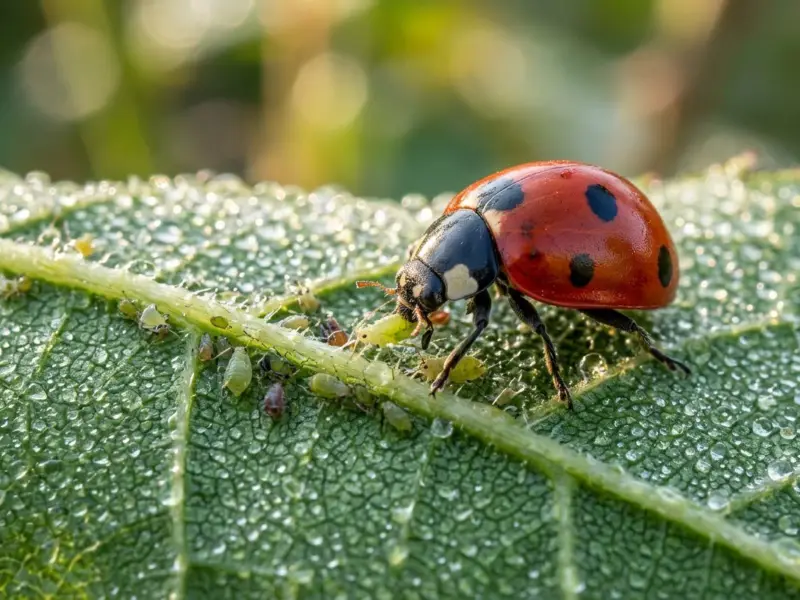
Common Garden Pests & Organic Control That Actually Works
Identify aphids, whitefly, mites, caterpillars, slugs and fruit flies by the damage they leave, then pick the mildest control that works, in the order that works.
Plant Diseases: Identify and Treat the Big Five
Tell fungal, bacterial and viral disease apart by symptom pattern, then match the response: what to spray, what to prune and when to pull the plant.

Beneficial Insects: Your Garden’s Best Hired Hands
Learn to recognise ladybird larvae, hoverflies, lacewings and parasitoid wasps, feed them with the right flowers, and time any spray so you stop killing your own…
7 Natural Remedies Every Gardener Should Know How to Make
Soap spray, neem, bicarbonate, garlic-chili and more: honest efficacy, mixing ratios, test-patch and timing rules, and the bee, fish and pet risks of "natural".
Protect Your Garden from Wildlife: Humane Methods That Work
Deer, rabbits, moles, squirrels and birds each need a different answer. Fence heights, burial depths and realistic expectations for repellents.

Preventing Garden Problems Before They Start (The Master Guide)
A weekly scouting routine, action thresholds, resistant varieties, crop rotation intervals and timing rules that stop most pest and disease outbreaks early.
Garden Hygiene: Sanitation That Prevents Problems
Disinfect tools with 70% alcohol or a 1 in 10 bleach mix, know which diseased waste goes in the bin, and water and space plants so…
Troubleshooting Wilt, Yellowing and Mystery Symptoms
A symptom-first diagnostic tree for wilting, yellowing, spots, curling and stunting: simple tests for water, light, nutrients, roots, pests and disease before you spray anything.
Slugs and Snails: Natural Control That Actually Works
How to find, trap and deter slugs and snails without harming wildlife: night patrols, barriers, traps, nematodes, resistant plants and safe use of pellets.
Best Organic Pest Control Products
How to choose organic pest control products: traps, barriers, mesh, nematodes, soaps and biological controls compared, with safe use around bees, pets and edible crops.