Quick answers
- How do I tell what type of soil I have?
- The jar test: mix soil and water in a jar, shake, and let settle. Sand settles first, silt next, clay last. A professional test gives more detail.
- What is the best soil for most plants?
- Loam: a balanced mix of sand, silt, and clay with organic matter. Most gardens are not loam, but adding organic matter improves any soil.
- How often should I fertilize my garden?
- It depends on your soil, plants, and goals. Most established perennials need little fertilizer. Vegetables benefit from regular feeding. A soil test tells you what you need.
- What is the difference between organic and synthetic fertilizer?
- Organic fertilizers release nutrients slowly and build soil health. Synthetic fertilizers deliver nutrients immediately. Both have their place.
Key takeaways
- Know your soil before you try to improve it. A simple test tells you what you have. Guessing leads to wrong decisions.
- Organic matter is the universal improver. Compost, leaf mould, manure, whatever you can get. Organic matter improves any soil.
- Feed the soil, not just the plant. Soil is a living ecosystem. Add organic matter, avoid compaction, and the soil food web supports your plants.
- Water deeply and infrequently. Deep watering encourages deep roots that find their own moisture.
- Mulch is not optional; it is essential. Mulch conserves moisture, suppresses weeds, and breaks down to feed the soil.
- Match fertilizer to need, not habit. A soil test tells you what your soil actually needs. Most gardens need less than gardeners apply.
- Drainage problems cause more plant deaths than drought. If water stands for hours after rain, you have a drainage issue.
- pH matters, but not as much as gardeners fear. Most plants tolerate a range. Only a few are pH-specific.
Table of contents29 sections
- The soil, water and feed sequence
- Soil texture: the foundation
- pH: why it changes nutrient access
- Structure and compaction
- Mulch: the single best habit
- Watering and irrigation
- Fertilizer and compost tea
- Troubleshooting soil and feed problems
- How soil, water and fertilizer affect each other
- What questions does this guide answer?
- What does each guide cover?
- Texture: Understanding your soil type
- Reading: Reading your soil
- pH: Soil pH explained
- Compaction: Preventing soil compaction
- Mulch: Mulching mastery
- Irrigation: Drip irrigation and smart watering
- Feeding: Organic vs synthetic fertilizers
- Brewing: Compost tea guide
- Rainwater: Rainwater Harvesting for Gardens: Water Butts, Storage and Use
- Testing: Best Soil Test Kits and pH Meters
- What pH range does each plant group prefer?
- How do the soil textures compare?
- What do the N-P-K numbers do?
- Which mulch should you choose?
- How do the soil and water choices affect each other?
- Key terms
- Common mistakes with soil and water
- Where to go next
Soil, water and fertilizer work as one system, so this guide shows you how texture, pH, mulch, watering and feeding decide whether your plants thrive.
Soil, water and fertilizer management is the practice of finding out your soil texture and pH, improving structure with organic matter and mulch, delivering water deeply to roots, and adding only the nutrients a test or symptom shows are missing.
Soil, water and fertilizer are one system, not three topics: soil texture and pH decide how much water and nutrient a plant can reach, watering decides whether roots get air, and fertilizer only helps if the first two are right. This guide links the detailed guides so you can test your soil, correct what the test shows, water efficiently and feed only what is missing.
Quick answer: test first, change second: do a jar test for texture, check pH, add organic matter and mulch, water deeply and less often, and fertilize only when plants show a need. Over-correcting does more harm than doing nothing.
The efficient order is test first, change second. Without knowing your texture and pH, adding fertilizer or lime is guesswork, and over-correcting can cause problems that take years to undo. After the tests, organic matter, mulch and sensible watering fix most issues, and fertilizer fills specific gaps. Gardens built on this base grow healthier plants, which ties directly to the vegetables and herbs guides and the trees guides.
The soil, water and feed sequence
| Step | What to find out or do | Guide |
|---|---|---|
| Texture | Sand, silt or clay, using a jar test | Understanding soil types |
| Simple tests | Drainage, structure, worms, smell | Reading your soil |
| pH | Acidic, neutral or alkaline | Soil pH explained |
| Structure | Avoid and repair compaction | Preventing soil compaction |
| Protect | Cover the surface with organic mulch | Mulching mastery |
| Water | Deliver water to roots with little waste | Drip irrigation and smart watering |
| Feed | Choose between organic and synthetic | Organic vs synthetic fertilizers |
| Brew | Use compost tea carefully | Compost tea guide |
Soil texture: the foundation
Soil is a mix of sand, silt, clay and organic matter. Sandy soil drains fast and holds few nutrients, clay holds water and nutrients but drains slowly and compacts, and loam, a balance of the three, is easiest to work. You can estimate texture with a jar test: shake soil with water in a jar, let it settle, and measure the layers, since sand settles first, then silt, then clay. The result guides every other decision, because a sandy soil needs organic matter to hold water, and a clay soil needs it to open up the structure. The method is in understanding soil types, with further checks in reading your soil.
pH: why it changes nutrient access
pH measures acidity on a scale where 7 is neutral. Most garden plants grow best between about 6.0 and 7.0, because within that range nutrients are most available. In more acidic or alkaline soil, some nutrients become locked up even if they are present, so plants show deficiency symptoms despite feeding. Acid-loving plants such as blueberries and rhododendrons need a lower pH, around 4.5 to 5.5. Change pH slowly and only after testing, because the amount of lime or sulphur needed depends on soil texture and organic matter, and it changes over months, not days. See soil pH explained.
Wear gloves and a dust mask when handling lime, sulphur and concentrated fertilizers, and keep them away from children and pets. Follow the label rates, since more isn’t better.
Structure and compaction
Compaction squeezes out the air spaces roots need. It happens when soil is walked on, driven over or worked while wet, and it’s easier to prevent than to fix. Permanent paths, raised beds and mulch help prevent it, and organic matter, cover crops and deep rooted plants help repair it over time. Digging a compacted soil can cause further damage when wet. See preventing soil compaction for cover crops and repair methods.
Mulch: the single best habit
A layer of organic mulch such as bark, leaf mould or compost, about 5 to 8 cm deep, reduces evaporation, suppresses weeds, moderates soil temperature and feeds soil life as it breaks down. Keep it back from stems and trunks to avoid rot. Organic mulches need topping up as they decompose. See mulching mastery for materials and depths by use.
Watering and irrigation
Water deeply and less often so roots grow down. Drip irrigation puts water at the root zone slowly, which cuts evaporation and keeps foliage dry, reducing leaf disease. A simple system with a timer, a pressure regulator and a filter is enough for most gardens, and a soil moisture check before watering prevents waste. See drip irrigation and smart watering, and for container plants see watering plants the right way.
Fertilizer and compost tea
Fertilizer labels show three numbers, N-P-K, the percentages of nitrogen, phosphorus and potassium. Nitrogen drives leaf growth, phosphorus supports roots and flowering, and potassium supports overall plant health and fruiting. Organic fertilizers release nutrients slowly and improve soil life, while synthetic fertilizers act quickly and give precise ratios, but they don’t add organic matter and can burn plants or leach if overused. Neither is automatically better, as set out in organic vs synthetic fertilizers. Compost tea is a liquid made by steeping compost, and while many gardeners use it, evidence for strong effects is mixed, and hygiene matters because poorly made tea can carry harmful microbes. See compost tea guide and always wash produce.
Troubleshooting soil and feed problems
| Symptom | Likely cause | Fix |
|---|---|---|
| Puddles that stay for hours | Compaction or heavy clay | Add organic matter, avoid walking on beds |
| Water runs straight through | Sandy soil or hydrophobic dry mix | Add compost and mulch, water slowly |
| Yellow leaves with green veins | Iron or other nutrient lock-up at high pH | Test pH before feeding |
| Lush leaves, few flowers or fruit | Too much nitrogen | Switch to a feed higher in potassium |
| Crust on the soil surface | Bare soil hit by rain | Mulch and loosen gently |
How soil, water and fertilizer affect each other
Clay holds water and causes root rot, while sand drains fast and dries roots, and loam balances both. Compost feeds loam, improves clay and holds water in sand, and mulch protects soil and reduces evaporation by up to 50%. Manure feeds potato and cabbage and improves clay, lime raises pH and reduces club root in cabbage, and sulphur lowers pH for blueberry and azalea. Hydrangea blooms blue in acid soil and pink in alkaline soil, and high pH locks iron and causes yellow leaves in camellia.
Tomato needs steady water because swings cause blossom end rot, while lavender tolerates drought and suits gravel. Drip lines deliver 2 litres per hour and reduce blight on tomato, and earthworm improves loam while compaction blocks earthworm. Water deeply to 15 cm once or twice a week, feed tomato and rose lightly with compost tea, and remember that high nitrogen feeds lawn grass while high potassium feeds tomato fruit. Test soil every 2 years and you’ll avoid guesswork, and your extension service or the rhs offers lab tests.
What questions does this guide answer?
Quick answers to the questions people ask most, each linked to the guide that answers it in full.
| Type | Question | Short answer | Full answer |
|---|---|---|---|
| What | What is loam? | A balanced soil of sand, silt and clay with organic matter, which drains well and holds moisture and nutrients. | Soil types |
| How | How do I test my soil texture? | Shake a sample in a jar with water, let it settle and measure the layers: sand first, then silt, then clay. | Soil types |
| How | How do I change soil pH? | Slowly and only after testing. Lime raises pH and sulphur lowers it, in amounts that depend on texture and organic matter. | Soil pH |
| When | When should I water? | When the soil at root depth has dried to the level the plant prefers, ideally in the morning. | Drip irrigation |
| Why | Why do plants yellow despite feeding? | Often nutrient lock-up from pH outside the 6.0 to 7.0 range, or waterlogged roots. | Soil pH |
| Which | Organic or synthetic fertilizer? | Organic feeds soil life and releases slowly. Synthetic acts fast with precise ratios. Neither adds value without a need. | Organic vs synthetic |
| How | How deep should mulch be? | About 5 to 8 cm, kept a few centimetres from stems and trunks. | Mulching |
| Why | Why does water pool on my soil? | Compaction or heavy clay. Add organic matter, avoid walking on beds and keep beds permanent. | Compaction |
What does each guide cover?
Texture: Understanding your soil type
The jar test, how to read the result and what to do for sandy, clay and loam soils.
Reading: Reading your soil
Simple tests for drainage, structure, smell, worms and moisture that anyone can do without a lab.
pH: Soil pH explained
What pH means, which plants want which range, how to test it and how to change it slowly.
Compaction: Preventing soil compaction
Why compaction happens, how to avoid it and how cover crops and organic matter repair it.
Mulch: Mulching mastery
Materials, depths and timing, and the mistakes that cause rot and pests.
Irrigation: Drip irrigation and smart watering
How to design a drip system, set timers and check soil moisture so you water only when needed.
Feeding: Organic vs synthetic fertilizers
What the N-P-K numbers mean and how each fertilizer type behaves in the soil.
Brewing: Compost tea guide
How compost tea is made, what evidence supports it and the hygiene rules that matter.
Rainwater: Rainwater Harvesting for Gardens: Water Butts, Storage and Use
The guide shows how much a roof collects, how to size and connect water butts, and how to keep stored water clean and use it well.
Testing: Best Soil Test Kits and pH Meters
The guide compares colour kits, probes and laboratory tests, shows how to take a good sample and explains what the results mean for plants.
What pH range does each plant group prefer?
| Plant group | Preferred pH | Notes |
|---|---|---|
| Blueberries, rhododendrons, camellias | About 4.5 to 5.5 | Need acidic soil or ericaceous compost |
| Potatoes | About 5.0 to 6.0 | Lower pH reduces common scab |
| Most vegetables and flowers | About 6.0 to 7.0 | Nutrients most available |
| Brassicas | About 6.5 to 7.5 | Higher pH helps limit clubroot |
| Lavender, many Mediterranean herbs | About 6.5 to 8.0 | Tolerate alkaline, free-draining soil |
How do the soil textures compare?
| Texture | Drainage | Nutrient holding | Main fix |
|---|---|---|---|
| Sand | Very fast | Low | Add compost and mulch to hold water and nutrients |
| Silt | Moderate | Good | Protect from crusting and compaction |
| Clay | Slow | High | Add organic matter, avoid working wet |
| Loam | Balanced | Good | Maintain with mulch and compost |
What do the N-P-K numbers do?
| Nutrient | Main role | Deficiency sign | Too much causes |
|---|---|---|---|
| Nitrogen (N) | Leaf and shoot growth | Pale, yellow older leaves | Lush leaves, few flowers or fruit |
| Phosphorus (P) | Roots, flowering | Purple tinge, poor growth | Interferes with other nutrients |
| Potassium (K) | Fruit quality, overall health | Brown leaf edges | Imbalance with magnesium and calcium |
Which mulch should you choose?
| Mulch | Best for | Watch out for |
|---|---|---|
| Compost | Vegetable beds, borders | Breaks down fast, needs yearly top-up |
| Bark or wood chips | Trees, shrubs, paths | Keep off stems, can tie up nitrogen if mixed into soil |
| Leaf mould | Woodland and shade plantings | Takes time to make |
| Straw | Vegetables, strawberries | May hide slugs |
| Gravel | Mediterranean and alpine plants | Does not feed soil |
How do the soil and water choices affect each other?
Compaction causes poor drainage, which causes waterlogged roots, which looks like drought. High pH causes iron lock-up, which causes yellow new leaves, which gardeners often treat with extra feed that doesn’t help. Bare soil causes crusting, which causes runoff, which wastes water. Organic matter breaks these chains: it opens clay, holds water in sand, feeds soil life and buffers pH changes. Mulch protects the surface so the improvements last.
Key terms
- Loam: a balanced soil of sand, silt and clay with organic matter.
- Organic matter: decomposing plant and animal material that improves soil structure.
- pH: a measure of acidity or alkalinity from 0 to 14.
- N-P-K: nitrogen, phosphorus and potassium, the main fertilizer nutrients.
- Cover crop: a crop grown to protect and improve soil rather than harvest.
Common mistakes with soil and water
- Feeding before testing. You may add what isn’t missing, so test first.
- Digging wet soil. It compacts, so wait until a handful crumbles.
- Shallow, daily watering. Roots stay near the surface, so water deeply less often.
- Bare soil. It dries, crusts and erodes, so keep it mulched or planted.
- Over-correcting pH. Large changes cause new problems, so adjust gradually.
Where to go next
Apply what you learn in the vegetables and herbs guides, the trees guides and the plant growing guides. For problems that remain, the pests and diseases guides helps separate soil causes from pests and disease.
Frequently asked questions
What does soil texture mean in gardening?
Soil texture is the proportion of sand, silt and clay particles in your soil. It is fixed, so you cannot really change it, but it decides how fast water drains and how well nutrients are held. A jar test at home shows your mix within 24 to 48 hours.
What is the ideal soil pH for most garden plants?
Most garden plants grow best between pH 6.0 and 7.0, where nutrients are easiest to absorb. Blueberry, azalea and camellia prefer acidic soil at 4.5 to 5.5. Test before adding lime or sulfur, because guessing can push the pH the wrong way.
Should I test my soil before adding fertilizer?
Yes. A test shows pH and nutrient levels, so you feed only what is missing. Fertilizer on soil with the wrong pH or poor drainage often wastes money and can add salts that burn roots. A simple home kit is enough for a first check.
How often should I water the garden?
Most established beds do well with one deep watering of about 2.5 cm (1 in) a week, rain included, rather than daily sprinkling. Sandy soil needs water more often and clay less often. Dig down 10 cm to check moisture before you water.
Is it better to water in the morning or evening?
Morning is best. Cooler air means less evaporation, and leaves dry quickly during the day, which lowers disease risk. Evening watering works if you must, but wet foliage overnight can encourage fungus. Water at the base of plants rather than over the leaves.
Can I put too much mulch on my garden beds?
Yes. Past about 10 cm (4 in), mulch can cut off air to roots and hold too much moisture. Aim for 5 to 8 cm of coarse organic mulch, and keep it 5 to 10 cm away from stems and trunks.
Why are my plants yellow even though I fertilize?
Yellow leaves despite feeding often point to pH lockout, overwatering, compaction or poor drainage, not a lack of fertilizer. Check pH and drainage first. Adding more fertilizer to a locked or soggy soil can add salts and make the problem worse.
Can I improve clay or sandy soil without replacing it?
Yes. Regular compost and mulch improve structure within one to three seasons, so clay drains better and sand holds more water. Texture itself stays the same. Replacing the soil is rarely needed, and it is costly and disruptive to the plants already growing.
Is rainwater safe to use on vegetables?
Generally yes, for watering the soil around vegetables from a clean roof and a covered butt. Avoid water from roofs treated with moss killer or with old lead flashing. Water at the base of crops you eat raw. Check local guidance if you are unsure.
Where should a beginner start with soil, water and fertilizer?
Start with a jar test for texture and a cheap pH kit. Then add organic matter, spread mulch and water deeply and less often. Fertilize only when a test or clear symptoms show a need. Changing one thing at a time makes results easier to read.
All Soil, Water & Fertilizer guides
Understanding Your Soil Type: The Jar Test and Beyond
Sand, silt, clay or loam? A jar of soil and water gives you texture in a day, and a hole and a bucket tell you how…
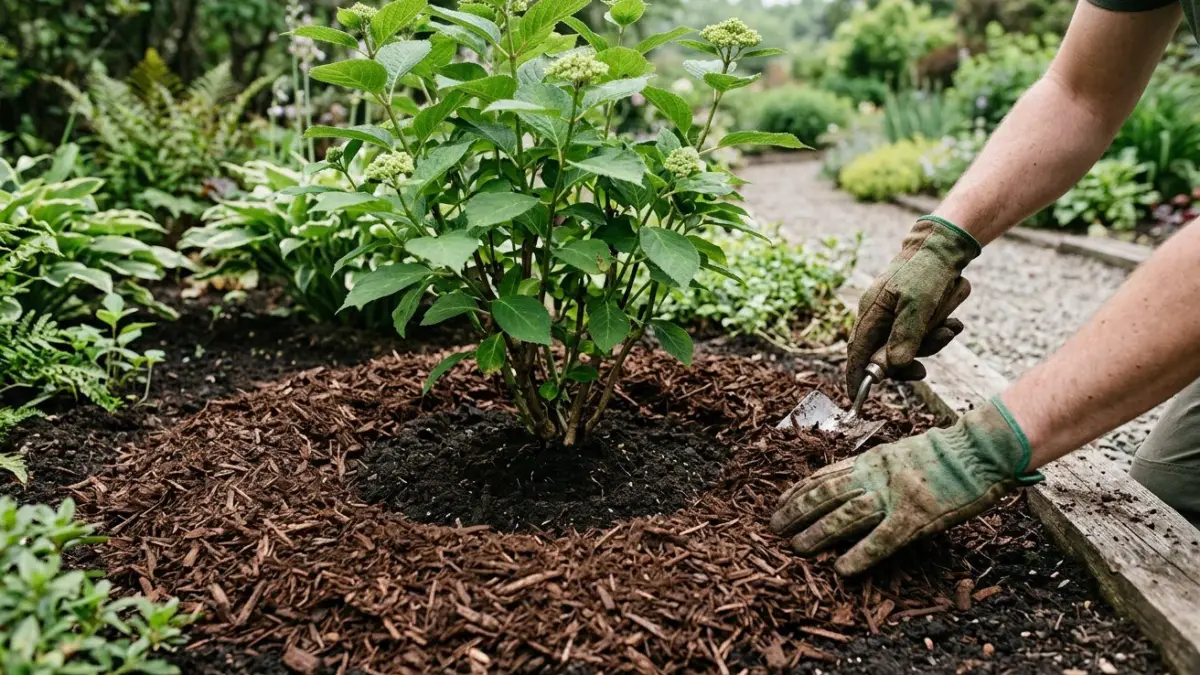
Soil pH Explained: How It Frees or Blocks Nutrients in Your Garden
The 6.0-7.0 sweet spot, why yellow leaves can mean locked iron, testing methods and safe ways to raise or lower pH, the master switch of plant…
Organic vs Synthetic Fertilizers: How to Choose and Apply Them
N-P-K labels, release speed, application rates, burn risk and runoff, a fair comparison of organic and synthetic feeds and when each one makes sense.
Compost Tea: Brew Liquid Gold for Your Garden
How to brew aerated compost tea safely, what the evidence really shows, dilution and application rates, and the food-safety rules for edible crops.
Drip Irrigation & Smart Watering: Set It and Trust It
Size a drip system from flow rate and pressure, choose filters, regulators and emitter spacing for your soil, add sensors, and winterise it properly.
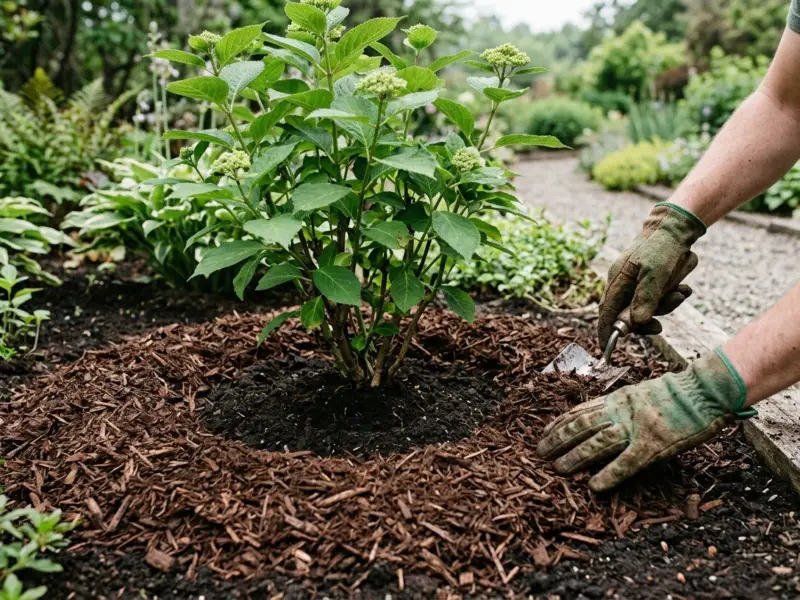
Mulching Mastery: The One Habit That Transforms Gardens
Mulch depths by material, why volcano mulching kills trees, what nitrogen tie-up really means, and a comparison table to pick the right mulch for each bed.
Preventing and Fixing Soil Compaction in the Garden
How to test for compacted soil, what causes it, and the methods that actually fix it: no-dig, aeration, organic matter, cover crops and raised beds.
Reading Your Soil: Simple Tests Anyone Can Do
Six home tests tell you what your soil is made of, how fast it drains and how alive it is: jar, squeeze, percolation, worm count, smell…
Rainwater Harvesting for Gardens: Water Butts, Storage and Use
How to collect and use rainwater in the garden: sizing a water butt, connecting it to a downpipe, keeping stored water clean and getting the most…
Best Soil Test Kits and pH Meters
How to choose a soil test kit or pH meter: colour kits, digital probes and lab tests compared, how to take a good sample, how accurate…